BART and AC Transit are among several Bay Area agencies supporting a potential half-cent sales tax on the November 2026 ballot.
The measure, known as the Connect Bay Area Act, would increase sales taxes across various counties to generate approximately $1 billion annually over 14 years. Supporters are currently working to collect enough signatures (at least 186,000) by June to qualify the proposal for the general election.
If voters approve the act, the sales tax would rise by 0.5 percent on taxable goods. Under current sales-tax structures, a resident in Richmond would see the existing rate of 9.75 percent increase to 10.25 percent, while in San Pablo, the rate would go from 9.5 percent to 10 percent.
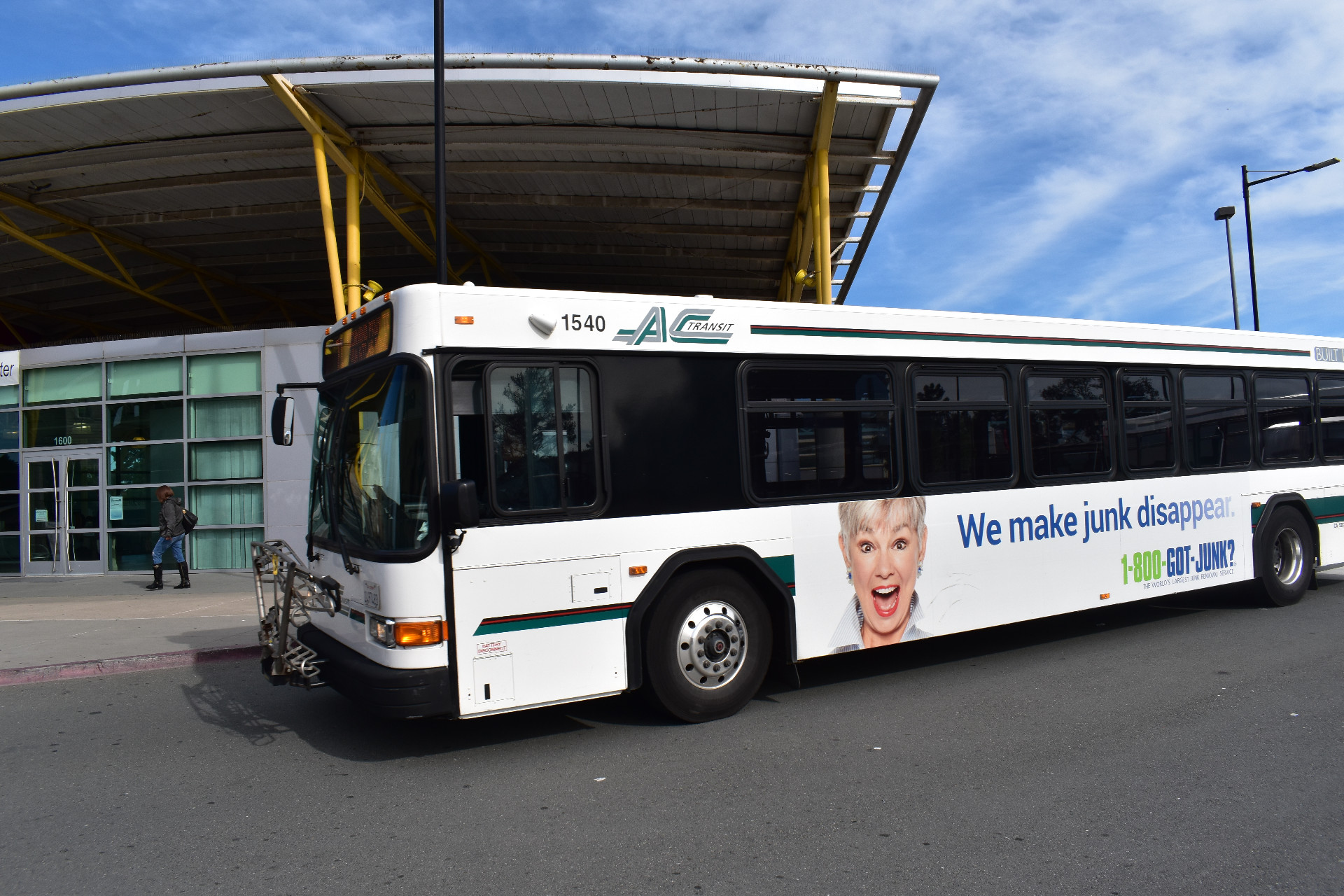
Transportation officials state the tax is necessary because federal pandemic relief funds are nearly gone. BART faces a projected budget hole of $376 million by 2027, and AC Transit expects a $72 million gap. These agencies warn of a “fiscal cliff” that could lead to significant service reductions without a new source of money.
On Feb. 12, the BART Board will meet to discuss the consequences of failing to secure this funding. The transit agency’s presentation outlines worst-case scenarios, including discontinuing the Blue Line (Dublin/Pleasanton), cutting service hours by 70 percent and closing up to 15 stations, not including Richmond Station. AC Transit similarly reports that passenger fares only pay for about 7 percent of its total operating costs, leaving the agency reliant on public funding to maintain service levels.
The Connect Bay Area Act would primarily benefit the region’s four largest transit operators—BART, SF Muni, Caltrain, and AC Transit. A smaller share of the funds would go to smaller operators including WestCAT and SF Bay Ferry, and county transportation authorities like the Contra Costa Transportation Authority.