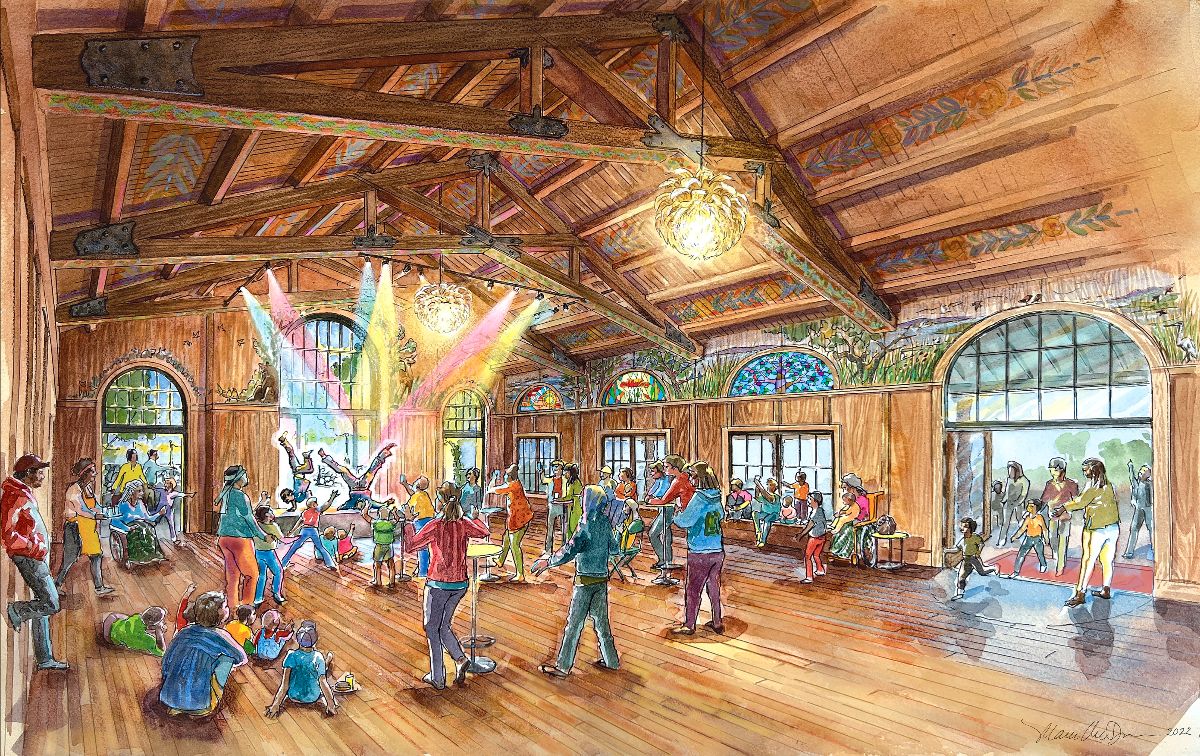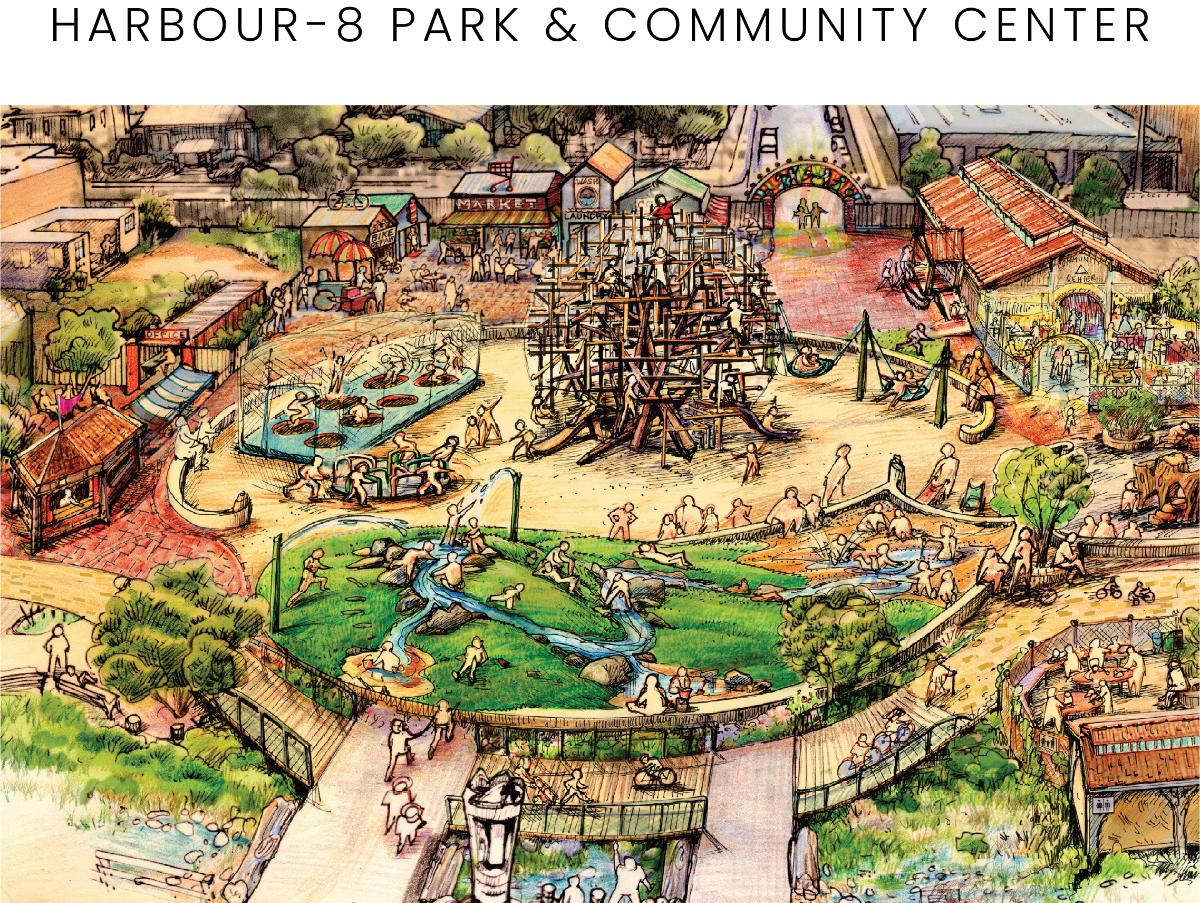
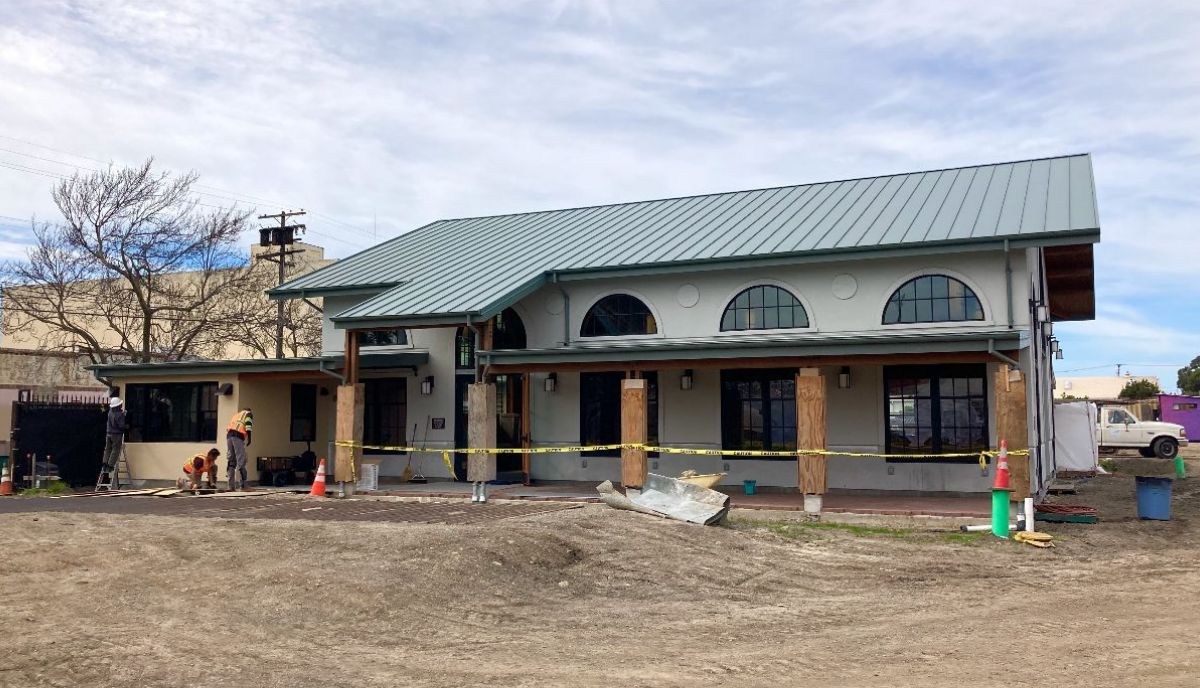
Pogo Park is appealing for $3 million in city funding to complete Richmond’s first Community Resilience Center at Harbor-8 Park in the Iron Triangle neighborhood.
The nonprofit staffed by Iron Triangle residents has already raised $22 million of the $28 million required to complete the project, which faced unexpected challenges including the discovery of soil contamination and added construction costs. Pogo Park Executive Director Toody Maher said a $3 million contribution by the city would unlock additional matching funds from private sources to close the $6 million funding gap.
“The design’s done. The permits are done. We are so close,” Maher said during public comment at the Richmond City Council meeting.
Pogo Park is behind the transformation and operation of Elm Playlot, a vibrant space offering a wide variety of activities at 8th Street and Elm Avenue. Staffed and operated by neighborhood residents, the nonprofit also created the Yellow Brick Road street improvement project in the Iron Triangle, and built the ever-evolving Harbour-8 Park out of a once-blighted city park at 909 Ohio Ave.
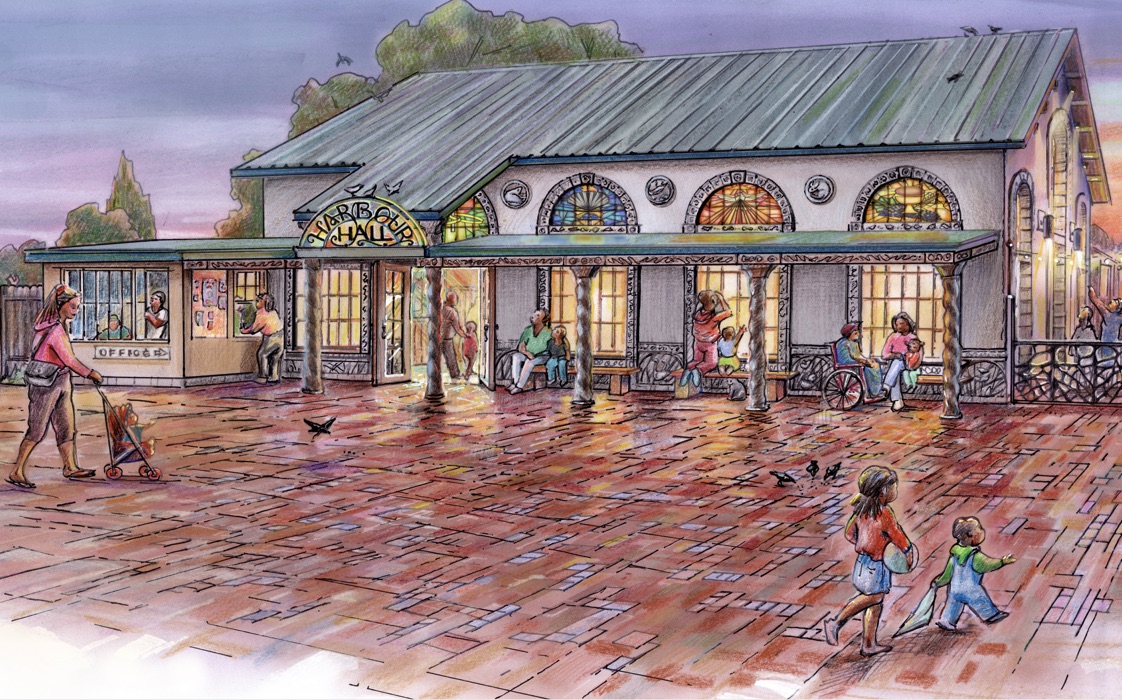
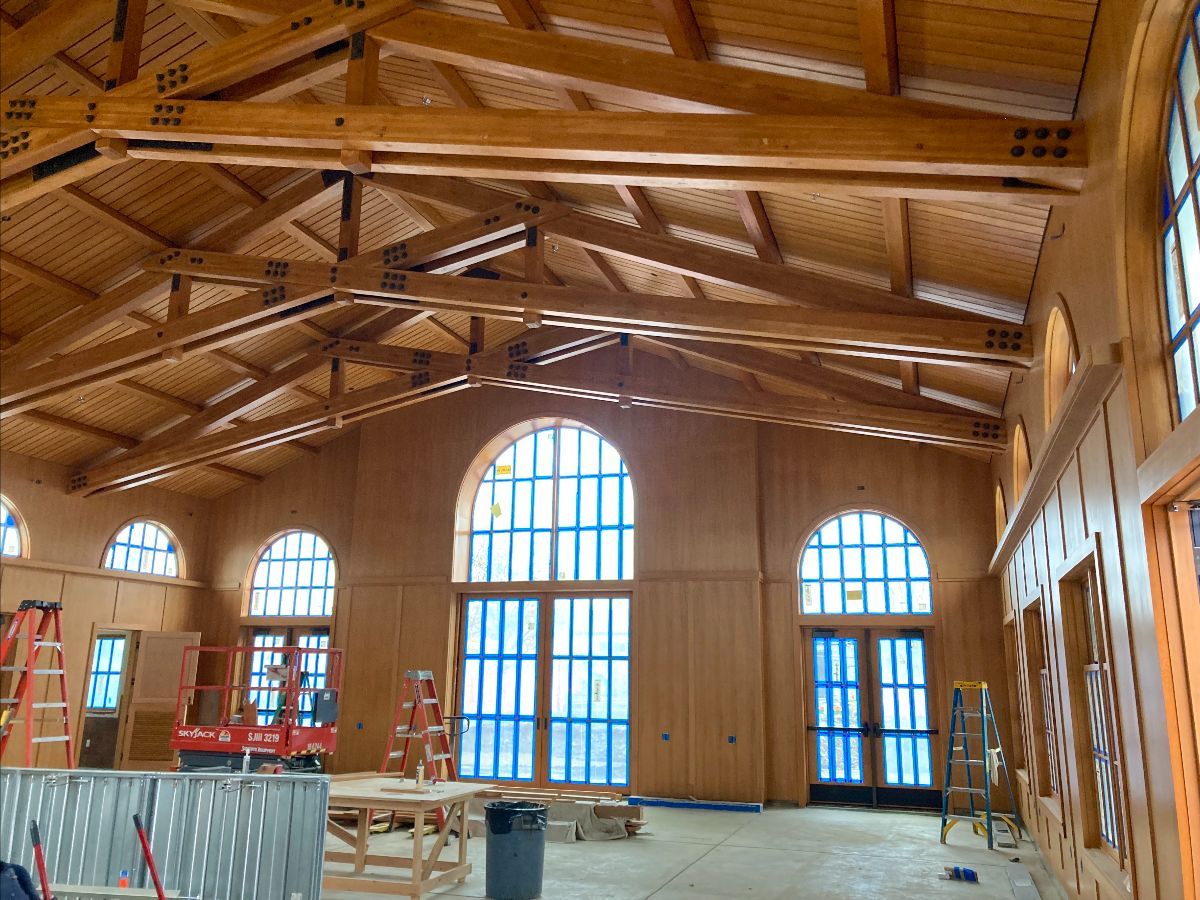
The Harbour-8 site is now expanding to include Harbour Hall, which when completed will serve as a community hub and emergency response center during natural disasters and other crises. Known as a community resilience center, or CRC, Harbour Hall will further serve as a daily gathering space and resource center when there isn’t an emergency.
Cheryl Mayer, a longtime Richmond resident and co-founder of the Friends of the Richmond Greenway, which runs through Harbour-8 Park, urged support for the project’s completion. While Pogo Park managed to $22 million for the project so far, including a $10 million state grant to build the CRC, “it is a city park,” Mayer noted.
“It is for our community, and we need to finish this park,” she said.
Bruce Yamamoto said he witnessed Pogo Park’s successes first hand while working on a Richmond project at Brooks Street, a real estate development company that he said encouraged creating vibrant outdoor gathering spaces in its projects.
“I’ve never seen a group (Pogo Park) more effective at creating public spaces where people actually gather, connect, and take ownership,” Yamamoto said.
Rita Serta, who lives across the street from Elm Playlot, said she witnessed the transformation created by the nonprofit. Having a vibrant park lifts depressions, she said, adding that her neighbors didn’t know each other until Pogo Park came along.
“Now everybody’s together, talking,” Serta said. “The kids are off the streets.”
Ron Holthuysen, operator of the renowned Scientific Art Studio in Richmond until the end of 2023, said he remains involved with Pogo Park even if his “active business life is over.”
Holthuysen and Scientific Art Studio, a company noted for creating the giant glove at AT&T Park and the play areas at San Francisco Zoo, long supported Pogo Park’s efforts to transform underutilized park spaces. He is working closely with the Pogo Park team to finish the Harbour-8 project and to make it “probably one of the most unique play community enviornments that can be seen.” He credited Pogo Park for walking the talk on providing child, community and work development resources in the community.
“If there is money available, the best way to spend it would be to finish that park and finishing Harbour Hall,” Holthuysen said, adding, “With Pogo Park, you get the most bang for your buck.”
For those interested in an up-close Pogo Park will host a public “sneak peek” of Harbour Hall on Friday, May 16 from 1 to 6 p.m., inviting residents and officials alike to witness the nearly completed space.
Also, donations can be made directly on the Pogo Park website here.