Gov. Gavin Newsom’s recent signing of Senate Bill 63 sets the stage for a potential regional transit funding measure on the November 2026 ballot to prevent service cuts across Bay Area transit systems.
Authored by Sen. Scott Wiener (D–San Francisco) and Sen. Jesse Arreguín (D–Berkeley), the bill authorizes voters in Alameda, Contra Costa, San Francisco, San Mateo and Santa Clara counties to consider a 14-year sales tax estimated to raise about $980 million annually. Rates would vary: a half-cent in four counties and one cent in San Francisco.
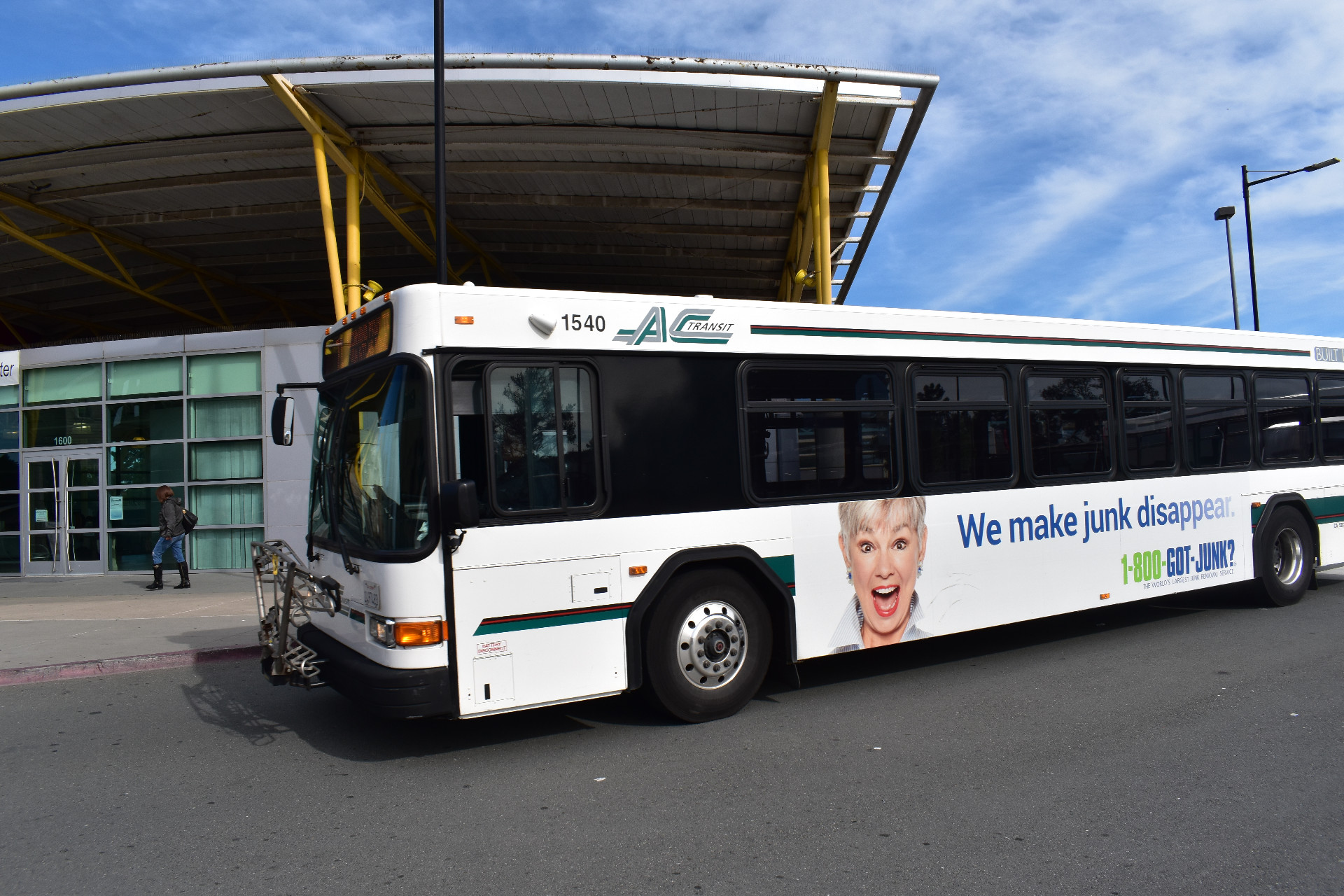
Roughly 60 percent of revenues would sustain service on major agencies including BART, Muni, Caltrain, AC Transit, and the San Francisco Bay Ferry. Those agencies face collective deficits topping $800 million a year beginning in 2027, according to the Metropolitan Transportation Commission. The remainder would support local operators such as VTA, SamTrans, and county transportation authorities, with flexibility for operations, capital and street improvements.
About 4.5 percent of proceeds, around $43 million in 2027-28, would fund passenger-focused upgrades identified in the Bay Area Transit Transformation Action Plan. Proposed improvements include discounted transfers, expanded Clipper START fare discounts, faster bus corridors, accessibility enhancements and clearer wayfinding.
SB 63 establishes an independent oversight committee representing each county and requires financial efficiency audits of BART, Muni, Caltrain and AC Transit. A “maintenance-of-effort” clause mandates agencies maintain current funding levels so new revenue supplements rather than replaces existing operations.
Transit leaders across the region praised the move.
“This bill allows voters to preserve essential service and improve the rider experience,” said BART General Manager Bob Powers.
AC Transit Board President Diane Shaw called it “a pivotal step” to prevent up to 37 percent service reductions.
The measure may reach the ballot either through a new Public Transit Revenue Measure District governed by the Metropolitan Transportation Commission or by citizen initiative.