
By Mike Kinney
A newly formed grassroots alliance, the Black Excellence Coalition (BEC), is mobilizing to ensure that $550 million in new Chevron funding delivers direct and lasting benefits to the city’s African American residents.
The coalition, announced by longtime community organizer Antwon Cloird, aims to advocate for economic revitalization, health and wellness services, youth programs, and educational improvements.
In August 2024, Richmond, the City Council and Chevron reached an agreement that will provide the city with $550 million over 10 years, in lieu of placing a refinery tax measure on the ballot. Chevron will pay $50 million annually for the first five years, followed by $60 million annually for the next five.
How to use the funds has already sparked debate. Richmond Councilmembers Sue Wilson and Claudia Jimenez along with Mayor Eduardo Martinez, all members of the Richmond Progressive Alliance (RPA), have proposed applying the money to the city’s pension liabilities. Environmental groups such as the Asian Pacific Environmental Network (APEN) and Communities for a Better Environment (CBE) are advocating for health and environmental initiatives.
Cloird fears the voices of Richmond’s Black community are being left out.
“The Richmond Progressive Alliance–dominated City Council should not dictate alone how they money is spent,” Cloird said. “The Black community demands a seat at the table, we have no more time to see politicians and the system get paid, while our community, year after year, gets played.”
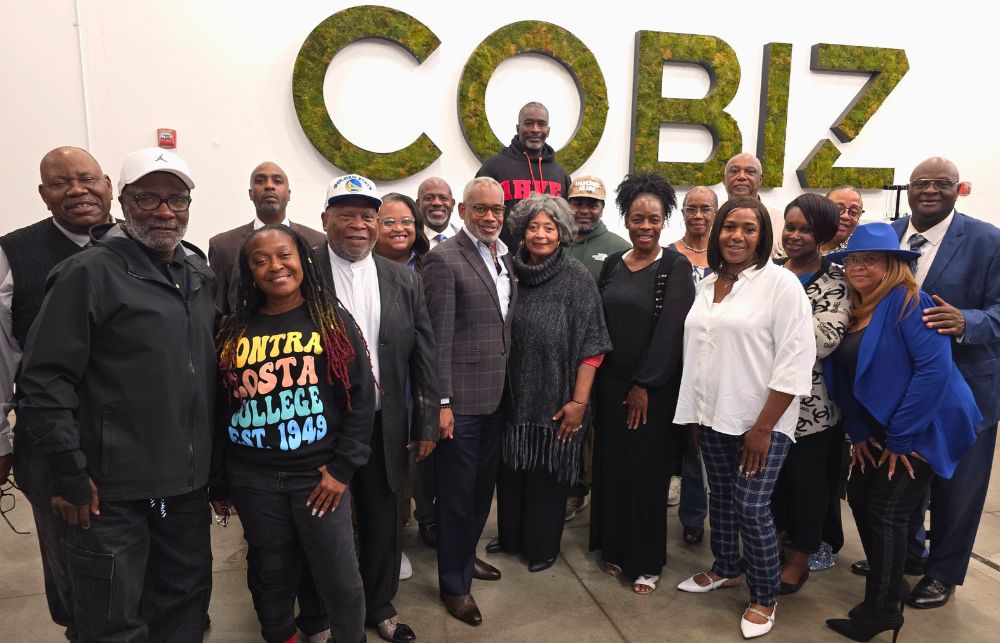
The Black Excellence Coalition brings together 25 longtime community leaders, including NAACP outreach worker Andre Shumake Sr., educator Dr. Telicia (“Talia”) Moore, real estate broker Jeff Wright, and pastor Donnell Jones.
For Jones, the coalition’s creation prompted him to re-engage in civic life despite family obligations.
“When I saw the magnitude of expertise around the table, I thought I’d come out of hiding after five years and get back into my community,” he said. “We want to be part of the process and make sure our community is served well.”
Dr. Moore echoed the call for inclusion:
“I can’t wait to see how this process unfolds and how we can truly work together to make sure all communities, especially the children and their education, are properly served.”
Cloird’s vision includes investing settlement funds in wraparound mental health and wellness services, job readiness and economic empowerment programs, affordable housing, and school-based supports such as mentoring, youth sports, and substance abuse prevention. He pointed to the Contra Costa County African American Holistic Wellness and Resource Hub in Antioch as a model. That initiative, launched earlier this year, addresses disparities in health, housing, reentry services, and economic opportunity through culturally responsive, community-rooted programs.
These funds, Cloird emphasized, are a once-in-a-generation chance for Richmond’s Black community to revitalize its economic position.
“The Black Excellence Coalition is comprised of residents, faith-based nonprofits, and businesses,” he said. “These funds must be used to help address the needs of the Black community, who have been left behind for far too long.”