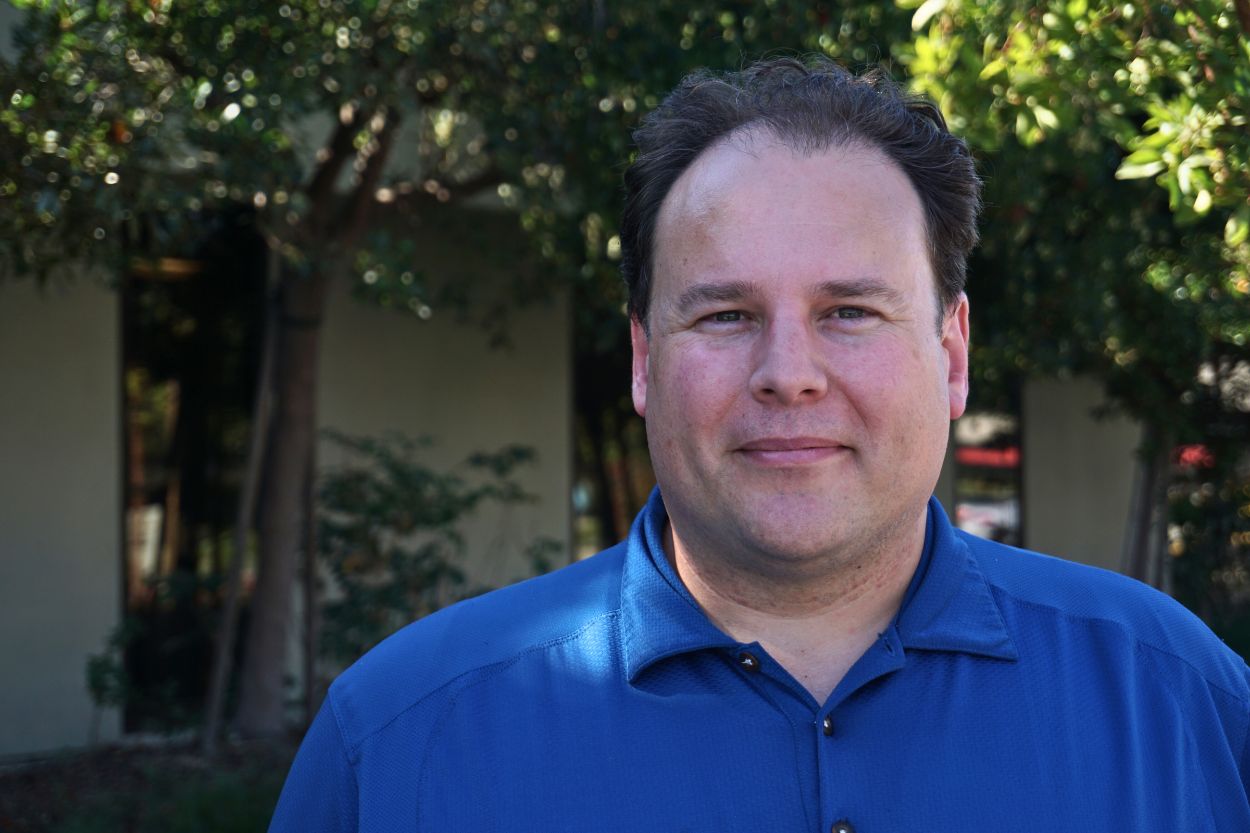
Todd Osterberg wears a few hats in Richmond. By day, he’s an environmental specialist at Chevron Richmond. He also volunteers with the Santa Fe Neighborhood Council, where he’s known as a grill master at community events. “I spend a significant part of my year in Richmond,” he said.
Osterberg takes pride in helping Chevron Richmond meet and often exceed Bay Area air standards, which are among the strictest in the nation – and maybe even the world.
“I like a technical challenge,” he said. “It’s always rewarding when we find solutions that help the community and the refinery at the same time, the win-wins.”
‘Our engineers are people who care about the environment and Richmond.’
With technology and teamwork, Chevron Richmond has cut criteria-air emissions by 85 percent since the 1970s. A recent win: the Modernization Project, which brought a new hydrogen plant online in 2018. Since then, refinery-wide particulate matter is down nearly 40 percent, while flare-gas volume tied to the unit is down about 85 percent since 2019.
But the Modernization Project is just one line on a lengthy portfolio of projects that aim to make the refinery cleaner, safer and more efficient, says Osterberg. He and his colleagues advance multiple efforts to help drive down emissions, some handled by a small crew, and others, like the hydrogen plant, mobilizing hundreds of employees.
Targeting the biggest sources
Osterberg’s team starts with an internal assessment that ranks equipment and processes by potential contribution to emissions. From there, they pick high-impact fixes that are feasible to design, permit and build.
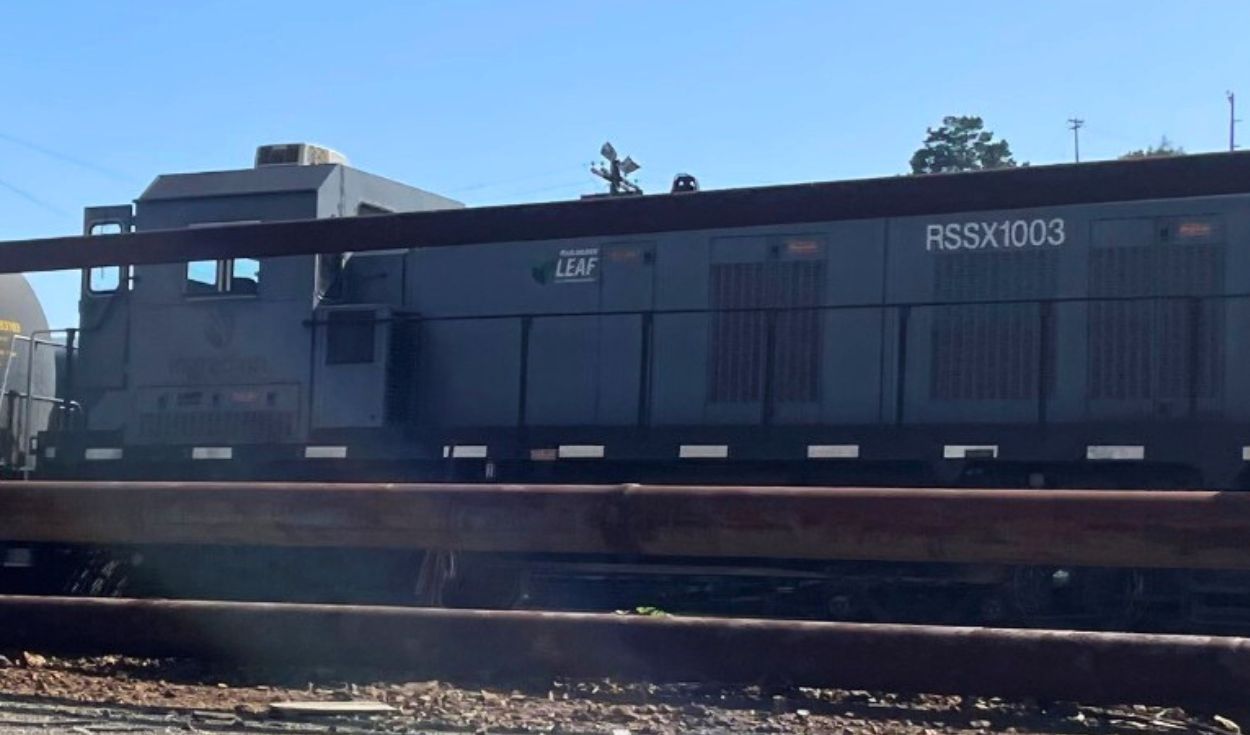
Recent wins include electrifying diesel pumps and portable air compressors. Osterberg takes particular pride in supporting the recent upgrades to rail operations within the refinery, moving from a pre-1973-yard locomotive to a newer unit with next-generation controls.
“Those resulted in big wins in diesel particular matter reductions,” he said.
A self-described expert on spreadsheets and emissions calculations, Osterberg constantly monitors the progress of projects, many of which are not widely known. For example, between 2019 and 2022, the refinery retrofitted several external floating-roof tanks with aluminum geodesic domes (the shiny tops visible from the freeway) to prevent wind from creating additional emissions.
“That change lowers emissions from those tanks,” he said.
The hard part: permitting and coordination
Some projects are required by regulations or settlements. Others are voluntary investments the team believes will deliver real community benefit. In either case, permitting can slow progress. Osterberg cited recent emissions-reduction projects shelved after regulators imposed out-of-scope requirements that made them uneconomical. Even simple site work, like installing small platforms for fence-line air monitoring equipment, can face lengthy timelines for regulatory review and approval.
“When we’re allowed to invest in our facility, positive things come out of it,” Osterberg said. “It’s frustrating when process hurdles block projects that would lower emissions.”
Why it matters
Osterberg and his colleagues view their work as critical for both the environment and the Bay Area economy.
Chevron Richmond supplies about 60 percent of the jet fuel used at major Bay Area airports, roughly 20 percent of Northern California’s gasoline, and 100 percent of the West Coast’s paraffinic base oils, while processing about 250,000 barrels of crude per day on average. In 2022, operations provided $1.1 billion in gross value added and 3,830 jobs in West Contra Costa County, making it Richmond’s largest employer.
Osterberg didn’t set out to be the public face of emissions reduction. He began on the technical side, building the calculations behind many decisions. Now, he supports colleagues with data and engineering context.
“Our engineers are people who care about the environment and Richmond,” he said. “We live here. We spend time here. Our families breathe the same air.”
Osterberg also takes pride in the community he helps feed at neighborhood events.
“Win-wins are possible when we focus on science and work together,” he said.