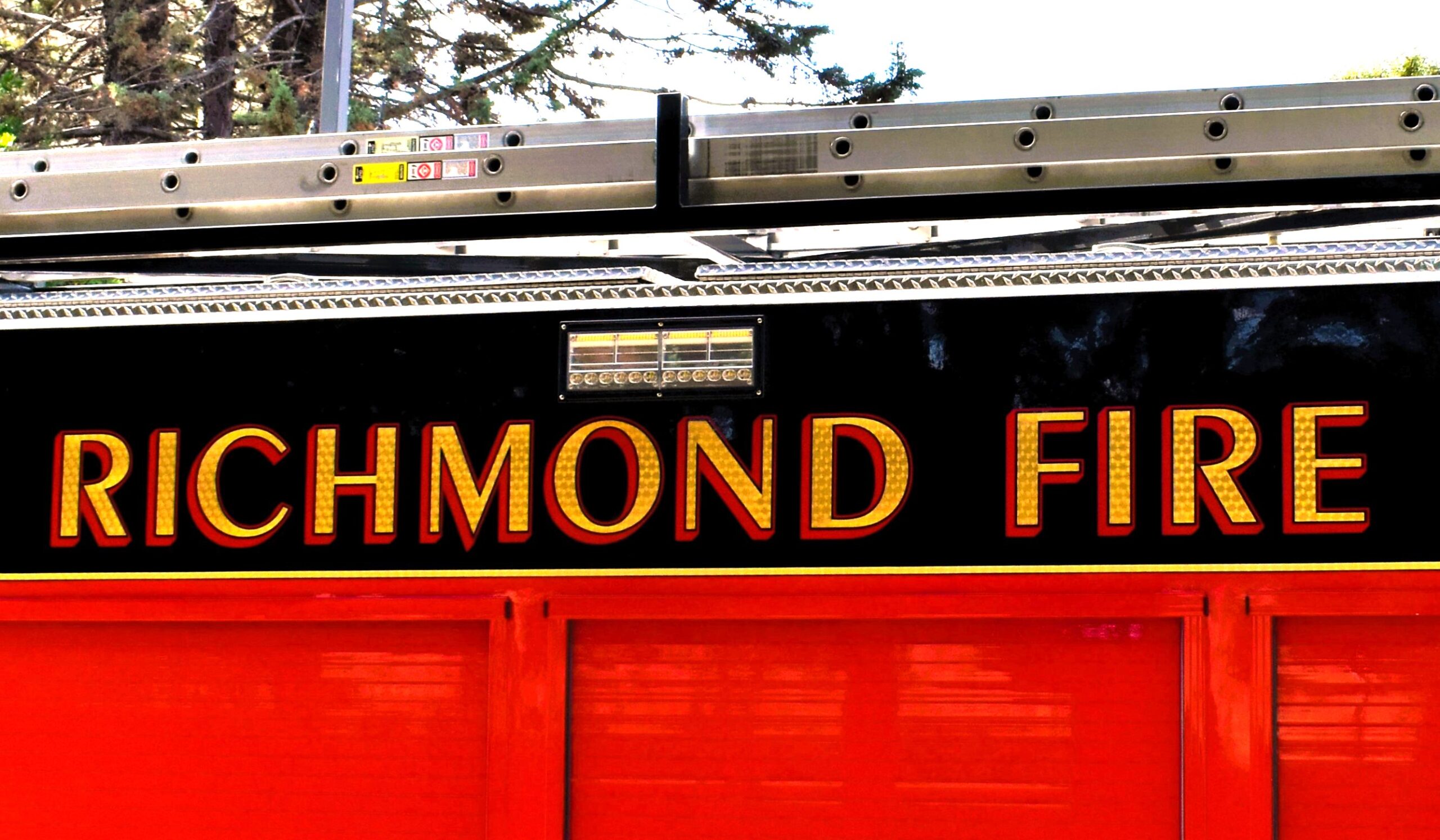
The Richmond City Council on Tuesday instructed city staff to identify new ways to pay for nearly $120 million in fire department facility replacements and service upgrades.
The council’s decision directs the city to develop revenue enhancement and financing recommendations, such as new taxes, fees, or a bond measure that would likely require voter approval.
The push for new funding is driven by the city’s goal to launch an Advanced Life Support (ALS) model at the Richmond Fire Department, aiming to address ambulance wait times that reportedly exceed 10 minutes.
Richmond is currently the only fire agency in the county that does not provide ALS first response. While neighboring cities have consolidated with the County Fire District or passed local tax measures to fund paramedics on every engine, Richmond remains independent. This means the city must currently wait for private ambulances or support from neighboring cities to provide advanced medical treatments.
The proposed plan would transition Richmond to an ALS-equipped department in two stages, beginning with the deployment of three roving paramedic squads for faster citywide care by 2028. Following this initial phase, the city intends to cross-train all existing fire engine and truck crews as paramedics by 2030.
Infrastructure needs
However, the city cannot launch the ALS program without first fixing its infrastructure, according to Richmond Fire Chief Aaron Osorio. To house the new paramedics and specialized medical equipment, several fire stations require immediate upgrades. Furthermore, the long-term forecast shows that three of the city’s stations are in such poor condition that they require full replacement rather than simple repairs.
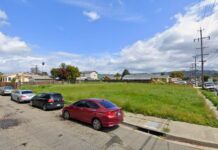
This includes $30 million for major foundation and grading repairs at Station 63 on Valley View, $30 million to replace a building from the early 1940s at Station 66 at 41st and Clinton, and $38.4 million to replace a structure that has been temporary since 1947 at Station 67 on Cutting Boulevard.
Cost estimates
The total estimated cost for the proposed upgrades and the first five years of the ALS program exceeds $118 million. Once fully implemented, the ALS program is expected to cost about $8.5 million annually.
Finance staff warned that the city faces a projected $55 million budget deficit by 2030. Even with the influx of money from the recent 10-year, $550 million Chevron agreement, the current budget cannot cover these costs.
City Manager Shasa Curl is now tasked with finding revenue enhancements to bridge this gap, with staff expected to return to the council within 60 days with potential funding options.