
By Mike Aldax
The Richmond Progressive Alliance (RPA) is accused of “gatekeeping” the city’s largest-ever financial windfall to benefit its own political agenda.
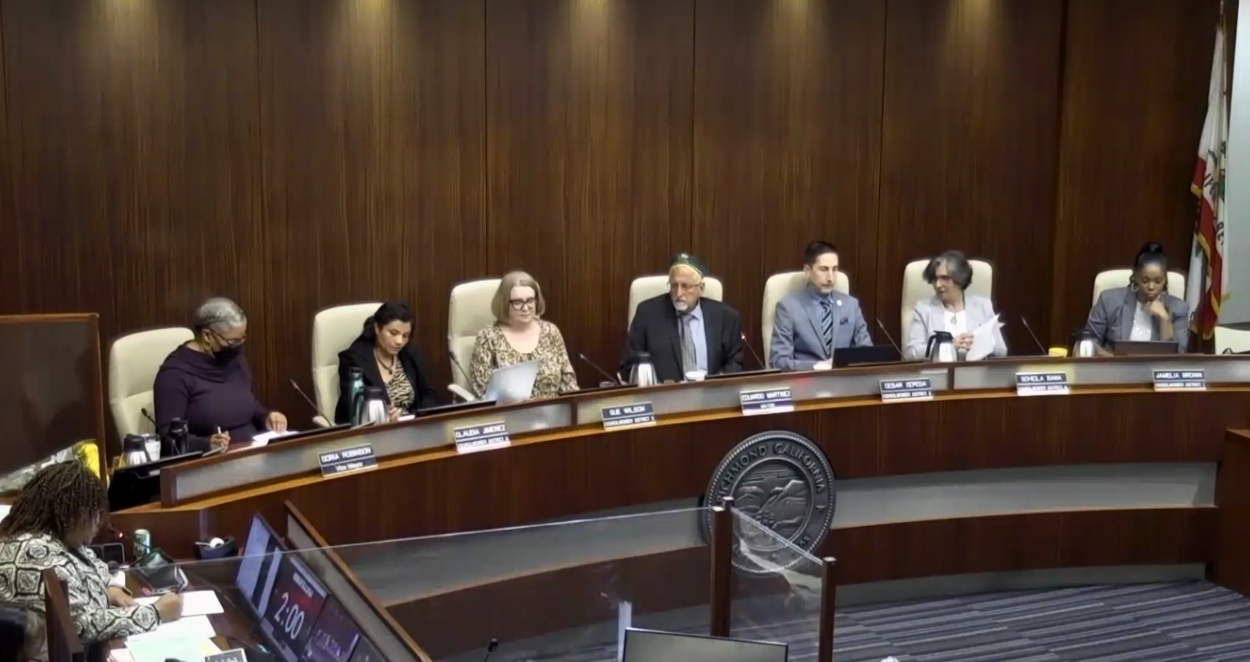
On Tuesday, the RPA-majority on City Council voted to hire a $300,000 consultant to oversee the recent $550 million agreement with Chevron. The 5-1-1 decision effectively blocked a rival plan by non-RPA council members that would have mandated direct, unfiltered community town halls in every district to determine how the funds should be used.
The recent vote occurred after RPA council members rejected a similar 2024 proposal from Councilmember Soheila Bana to hire a consultant for the Chevron funds. Although Bana’s original plan was budgeted at $100,000—one-third the cost of the current proposal—RPA members characterized it at the time as potentially wasteful. Then-Councilmember Gayle McLaughlin, an RPA member, believed the council, not staff or a consultant, should be at the center of the decision-making process.
“We want staff to cooperate with us but we want the council to remain the center so we can work with the community to make sure this is a community-based process,” McLaughlin said during the 2024 deliberations.
RPA-aligned Councilmember Claudia Jimenez also questioned the necessity of an outside consultant in 2024, warning against “pitting communities against each other,” yet she voted in favor of the more expensive RPA-sponsored consultant plan on Tuesday.
Following the reversal by the RPA on the issue, Bana chose to abstain from Tuesday’s vote.
Critics fear the RPA’s action is designed to bypass the general public and funnel cash into a “Just Transition” framework led by the RPA’s own activist nonprofits. The RPA justifies the hiring of a professional consultant as a necessary step to ensure the Chevron funds are managed through a “scientific” and strategic framework that prevents the city from frivolously spending the windfall.
‘Paying back political friends’
Longtime community advocate Antwon Cloird claims the “Just Transition” framework is a closed system for political payouts. He’s part of a coalition in the Black community formed to demand accountability for the funds but says residents in his group aren’t being heard. He said the process lacks transparency and was engineered to benefit organizations that align with the RPA’s specific political goals rather than the community at large.
Councilmember Jamelia Brown, who is not a member of the RPA, also questioned the fairness of the RPA’s plans for the funds.
“It has been said that we want a non-biased consultant, but the agenda report explicitly states that the consultant would work particularly with community-based organizations that are a part of the Make Polluters Pay campaign,” Brown said. “My question is how can staff ensure that the prioritization of one coalition doesn’t speak for the entire city?”
RPA-aligned Councilmember Sue Wilson acknowledged Tuesday that the language in the agenda summary appeared biased, and asked to remove it.
“I agree with you that all individuals and all community groups should be equally treated regardless of whether they played a role in [the Polluters Pay campaign] or not,” Wilson said. “I want to hear from everybody.”
The RPA-led council also floated using the $550M to pay off over $300 million in unfunded pension debt. This plan would give a direct boost to city employees in the SEIU union, which has been a major supporter in electing RPA members to the council. Critics say this is more proof that the RPA-led council is directing money to its political allies instead of using the resources to help the whole community.
Activist ideology vs. paving potholes
The accusations highlight a massive disconnect between the RPA’s ideological goals and the immediate needs of Richmond’s working-class neighborhoods. Councilmembers Cesar Zepeda and Jamelia Brown argued that while the RPA focuses on abstract environmental pivots and funding activist “wraparound services,” residents are pleading for improvements to basic services like street repairs and public safety.
Zepeda noted that the $300,000 earmarked for a consultant to manage this special-interest outreach could instead fund immediate repairs for the city’s crumbling fire stations and parks.
“Residents know what they need the second they open their front door,” Zepeda said, adding, “They need potholes fixed and the lights on. We promised to listen to them, not a consultant.”
The paradox of dependency
While the RPA leadership claims this process will “move the needle” away from fossil fuels, the settlement has actually anchored the city more firmly to the refinery. Published reports indicate that with the new millions in annual installments, Richmond’s fiscal dependency on Chevron will jump from 24 percent to over 35 percent of the entire general fund budget.
The refinery remains the region’s economic engine, contributing $1.1 billion to West Contra Costa County’s GDP and supporting 3,830 jobs. An Oxford Economics study found these roles pay 56 percent higher than the regional average, while the facility provides 60 percent of the Bay Area’s jet fuel and about 20 percent of its automobile fuel.