
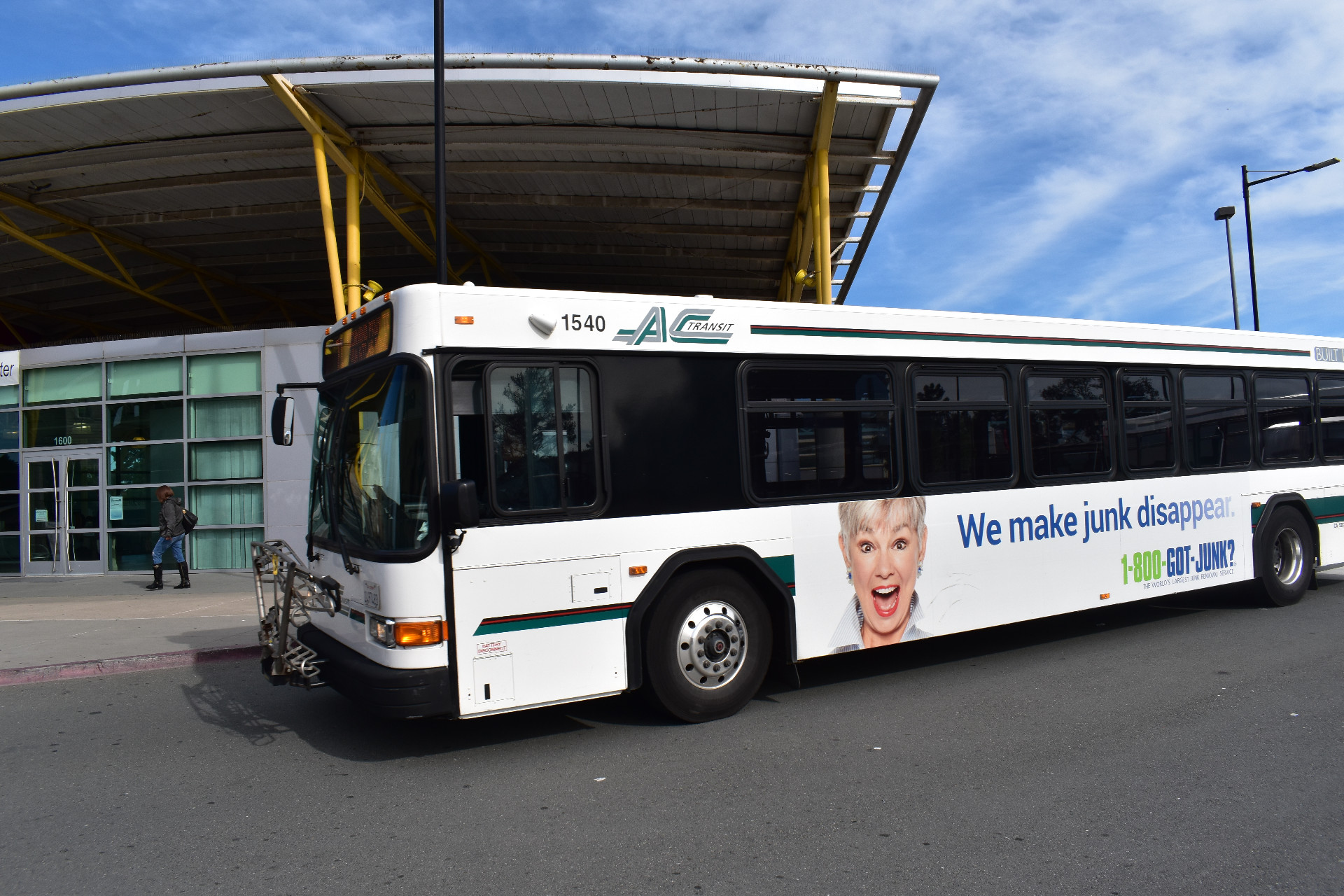
Starting Sunday, Feb. 1, AC Transit is rolling out a series of service adjustments to fine-tune the “Realign” network launched last year. These updates respond to rider feedback and changing traffic conditions to improve reliability across the district, transit officials said.
If you rely on Line 7 through the El Cerrito hills or Richmond View, you will need to reset your alarm. Weekday buses to El Cerrito del Norte BART will now start later in the morning at 6:16 a.m., and the service day will wrap up earlier, with the final bus leaving Emeryville at 10:16 p.m. For those heading toward the UC Berkeley campus, there is better news: Transbay Line F is adding five new weekday morning trips starting from 40th Street and San Pablo Avenue to help relieve standing-room-only crowds.
Late-night travelers and “All-Nighter” riders face some of the most significant shifts. The final eastbound trip of Line 800 from San Francisco will now end in Downtown Oakland instead of continuing to Richmond—a major change for late-shift workers. Additionally, the first two westbound trips toward the city will now begin at University and San Pablo Avenues. Meanwhile, Line 802 is pushing its start time back, with the first bus now leaving Berkeley Amtrak at 1:14 a.m.
Even if your specific line isn’t mentioned by name, almost every route in the system, including West County favorites like the 72, 72L, and 74, is getting a “minor schedule change.” This means your bus might arrive a few minutes earlier or later than usual as the agency adjusts for I-80 traffic conditions. Residents should double-check their specific lines and download new timetables at actransit.org.
The Realign network is AC Transit’s first major redesign in decades. It launched in August 2025 to update 84 percent of all bus lines to better fit how people move today, focusing on remote work trends and fiscal challenges. The goal was to use existing resources to make buses more frequent and reliable, especially in communities that depend most on public transit.