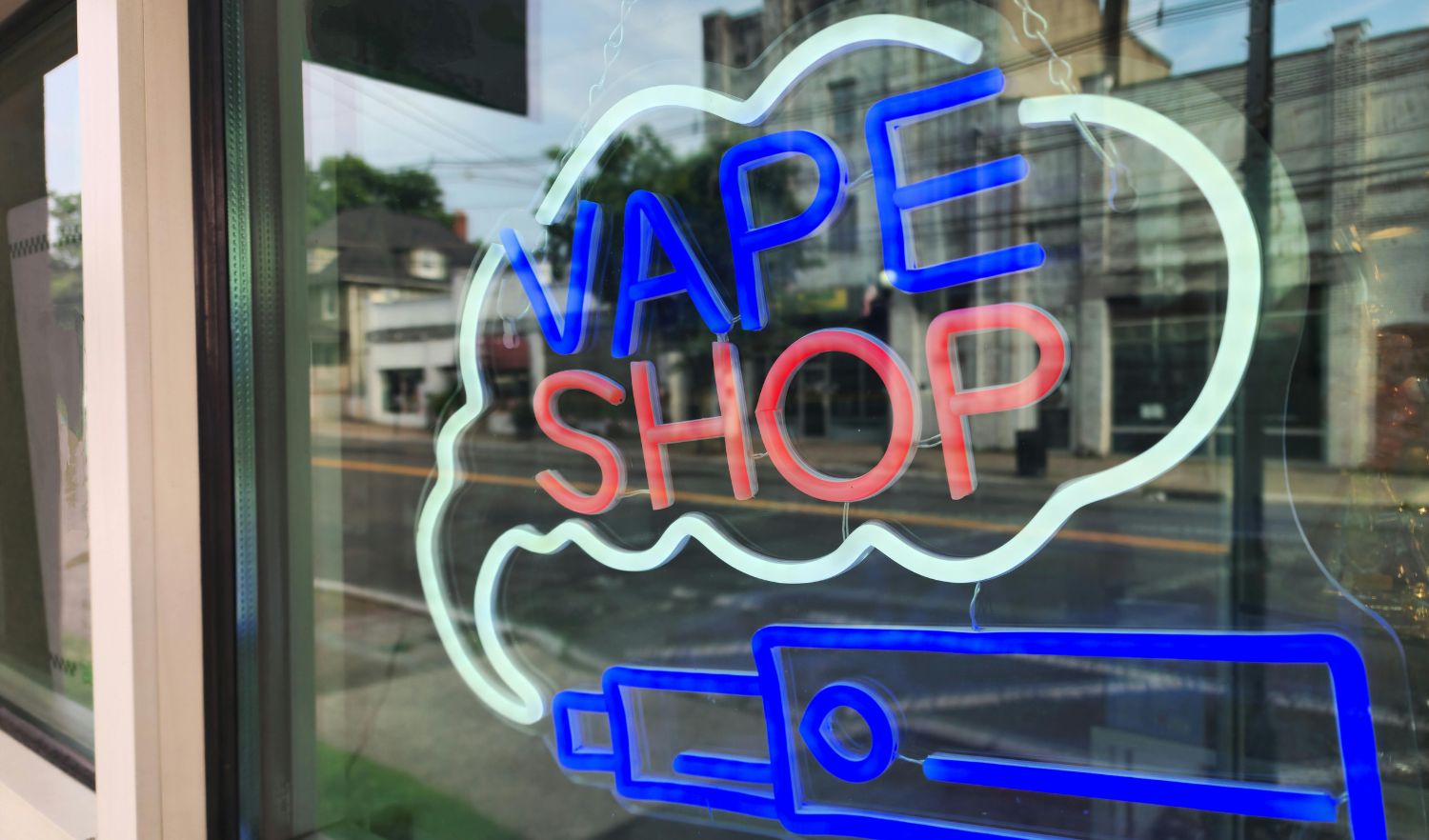
The Richmond City Council moved Tuesday to overhaul the city’s tobacco laws, approving an ordinance that enacts a strict 50-store limit citywide and skyrocketing fines to stop the sale of flavored vapes and “under-the-counter” drugs.
These new rules, scheduled for a final vote on March 3, are set to reclassify tobacco violations as a public nuisance, granting the city immediate authority to seize illegal inventory and shut down businesses that break the law.
What will change
The updated ordinance introduces strict operational requirements for all tobacco retailers in Richmond. Businesses must now ensure that every clerk selling tobacco is at least 21 years old and that owners provide full disclosure of business ownership alongside a valid state license.
To prevent smoke shops from dominating the local landscape, the city is capping the total number of city tobacco licenses at 50 citywide. The city identified approximately 83 total businesses currently selling tobacco, with 51 of them operating without a license. Under the new rules, 38 shops are considered eligible for renewal, while an additional 18 long-standing retailers are granted a “pathway to compliance” to seek a license. However, the candidate pool has already begun to shrink; two prior license holders were recently issued cease and desist letters and deemed ineligible for 2026, and three other retailers failed to submit applications by the deadline. Consequently, city officials expect the final number of approved shops to settle at 49, as the remaining retailers either fail new, stricter inspections or choose to close their doors.
Also changing with the ordinance, new shops will be limited to using only 20 percent of their shelf space for tobacco products. Richmond is also maintaining a 1,000-foot “no-sell zone” around schools, parks, and libraries to reduce youth exposure.
Penalties for non-compliance are increasing significantly. The city is implementing a tiered fine system where the cost of selling flavored tobacco will jump from $500 to a maximum $5,000 per violation.
Why crack down?
City officials described the current state of local smoke shops as a public health crisis. Planning Manager Avery Stark reported a “documented rise in youth tobacco and e-cigarette use” over the last decade, noting that a high density of shops near schools normalizes nicotine use for children. Data from Contra Costa Health echo this concern, showing that Richmond has the third-highest rate in the county for selling tobacco to minors.
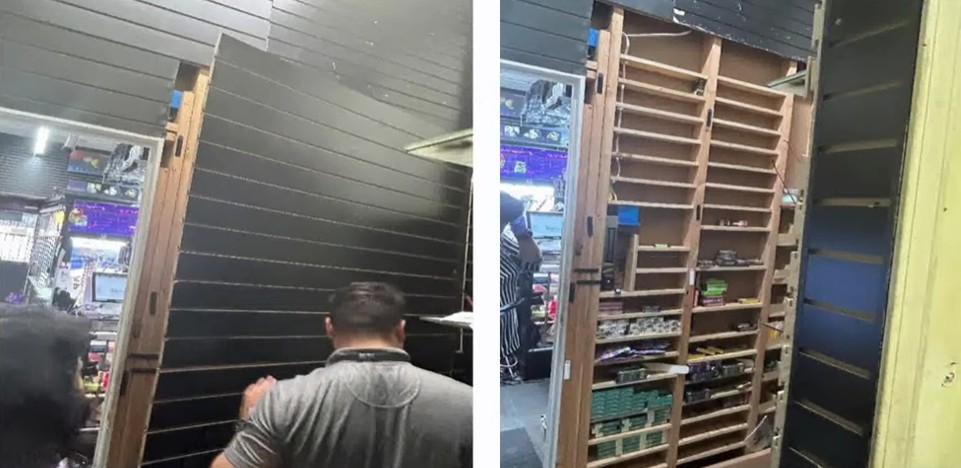
Inspections also uncovered dangerous criminal activity behind the counter. Code Enforcement Officer Kevin Tisdale presented evidence of hidden rooms and secret drawers equipped with magnetic locks used to hide illegal products. Beyond tobacco, inspectors found Nitrous Oxide (whippets), Kratom, and magic mushrooms being sold illegally.
Additionally, many retailers were found selling “black market” cigarettes from states like Missouri to bypass California’s $2.87-per-pack tax. “The price savings are huge for operators doing this illegal activity,” Tisdale told the council.