By Mike Aldax
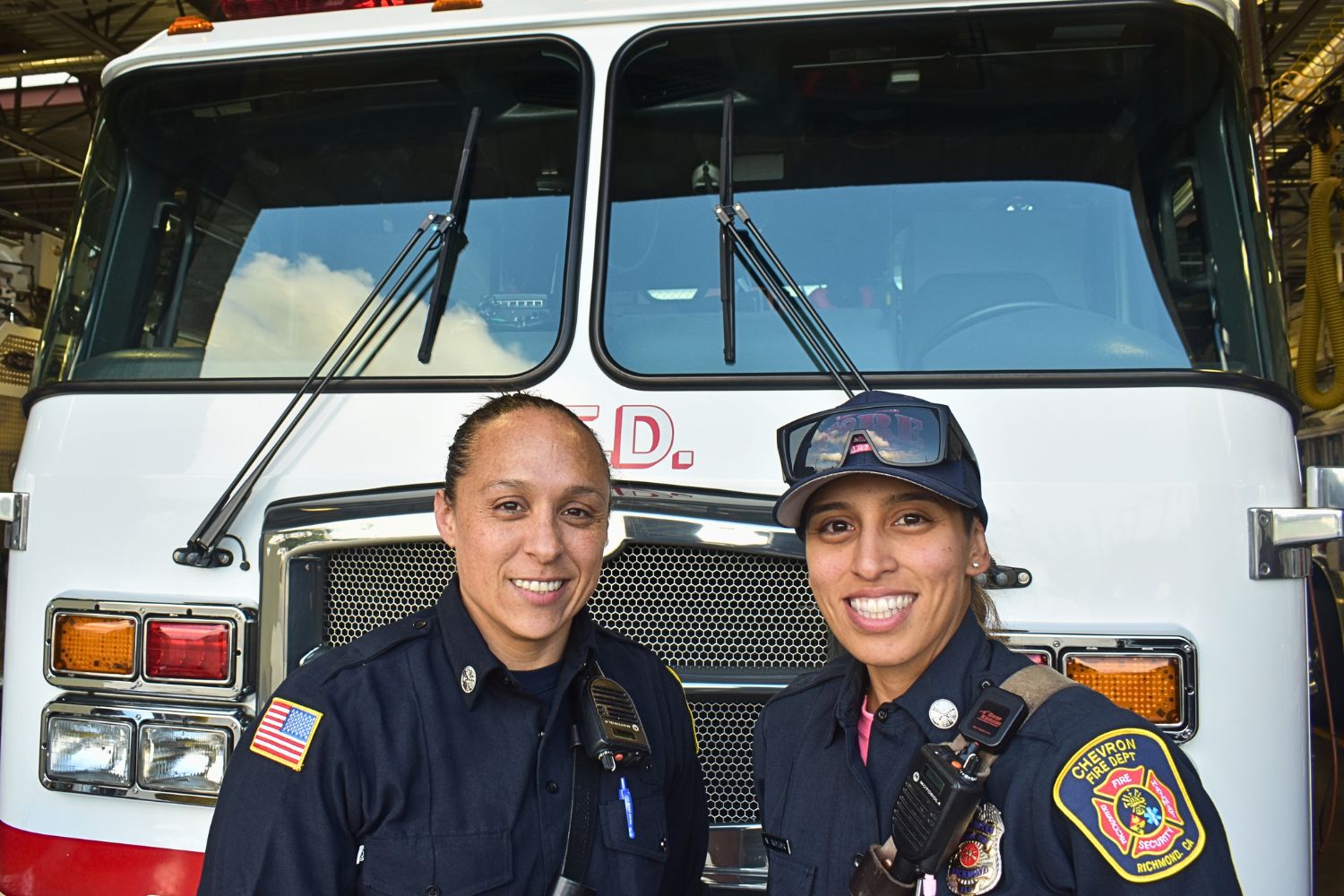
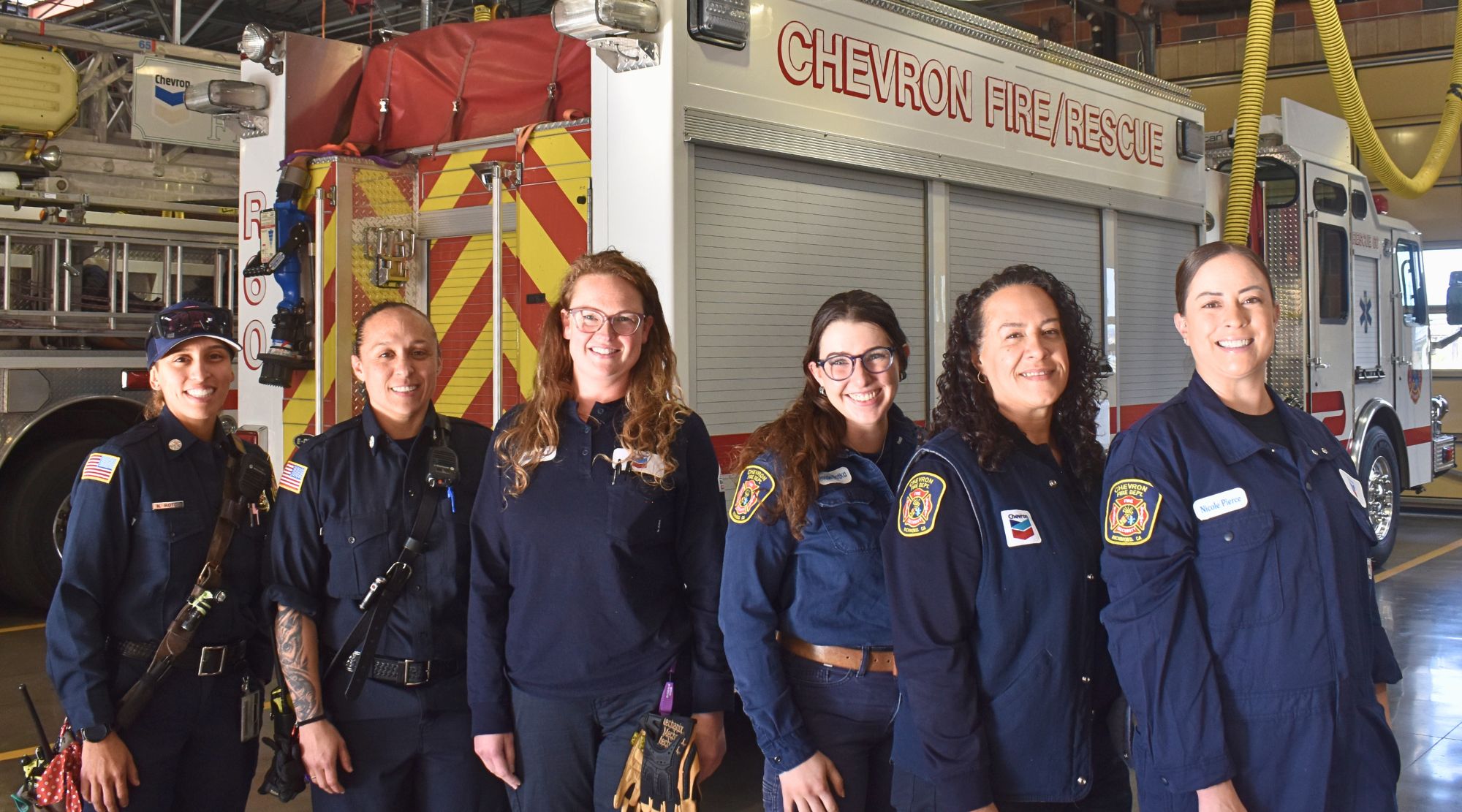
At Chevron Richmond’s 24/7 industrial fire department, backed by a large volunteer fire brigade, six women serving as full-time firefighters or brigade members say their most important tool isn’t a hose, ladder or radio. It’s each other.
“We train a lot,” said firefighter/EMT Naomi R. “You push past limits you didn’t know you had. But you never do it alone. The goal is simple: everyone goes home in one piece.”
These women come from across the Bay Area and beyond, including Stockton, Brentwood and Sonoma County. One is a Vancouver-born Richmond resident. They were drawn by service, family ties to first responders, and California’s wildfire reality. Some started in operations or maintenance at the refinery, found the brigade and never looked back.
What the department does
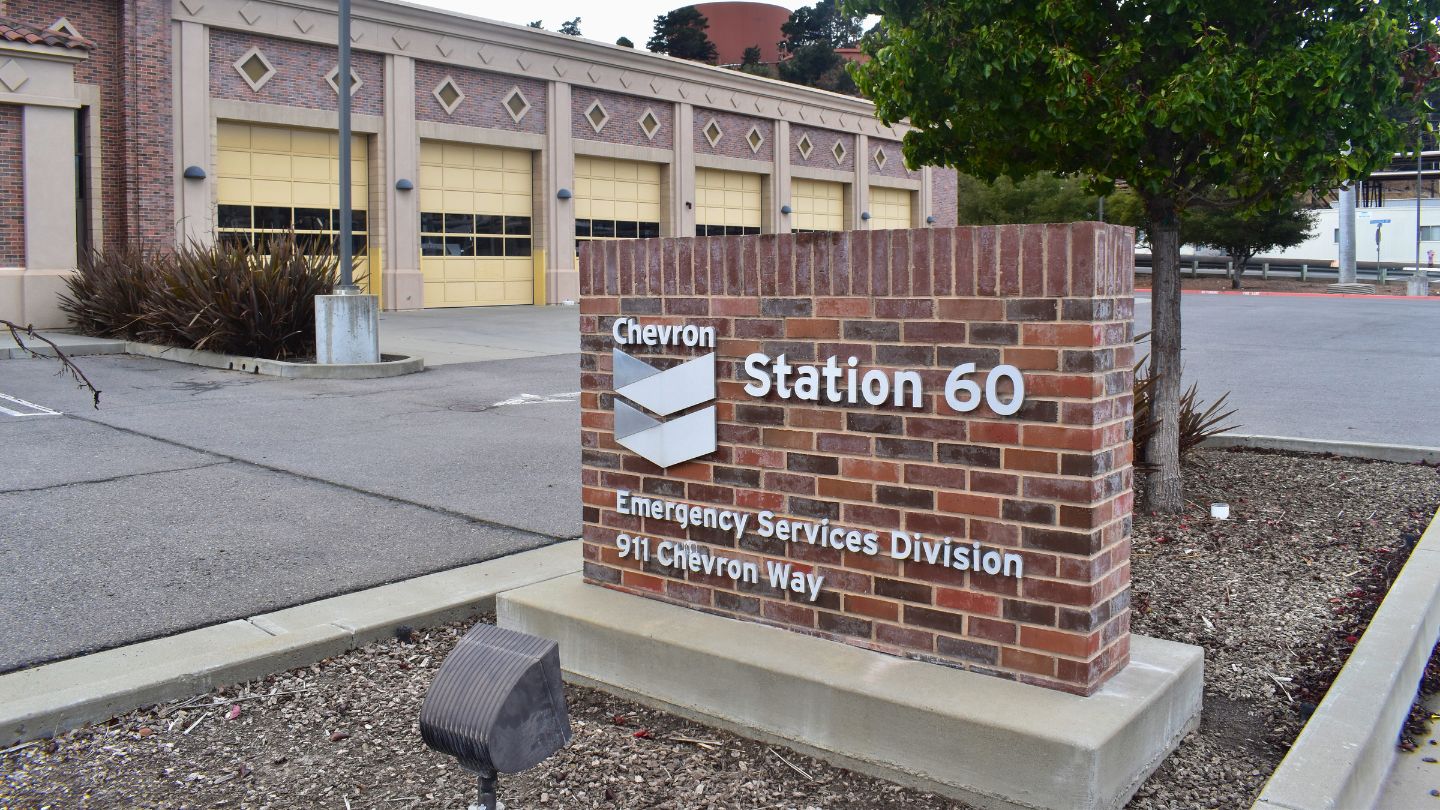
Chevron maintains a full-time industrial fire department on site, supported by refinery employees in operations, maintenance and engineering who volunteer on the brigade. Together they handle industrial firefighting, hazardous materials response and on-site EMS. A big part of the job is prevention: auditing permits, checking high-risk work and tailoring response plans to known hazards. Crews work 12-hour shifts, reviewing permits and walking jobsites when they’re not responding to calls. The department has also deployed off-site for mutual aid, including wildfire support in Southern California earlier this year and to Moss Landing for a battery fire.
 From first drill to first burn
Brigade members described a refinery training course where dozens train side-by-side: hose handling under pressure; ladders, ropes and knots; confined-space movements on air; and a blind “smoke maze” in full SCBA (Self-Contained Breathing Apparatus). Next comes live-fire simulations at Texas A&M’s industrial school, which includes three to four controlled burns a day on pressurized props.
“You feel the heat and hear the roar,” said Kayley L., an operations manager and brigade member. “They drill into you how to slow your breathing, talk yourself through the problem and trust your gear—and your team.”
Luisa L., a maintenance supervisor on the brigade, said the toughest moments built the tightest bonds. “I slipped during a drill and couldn’t get up. Water everywhere, gear soaked. I didn’t have to ask. Someone was already lifting me. That’s the culture.”
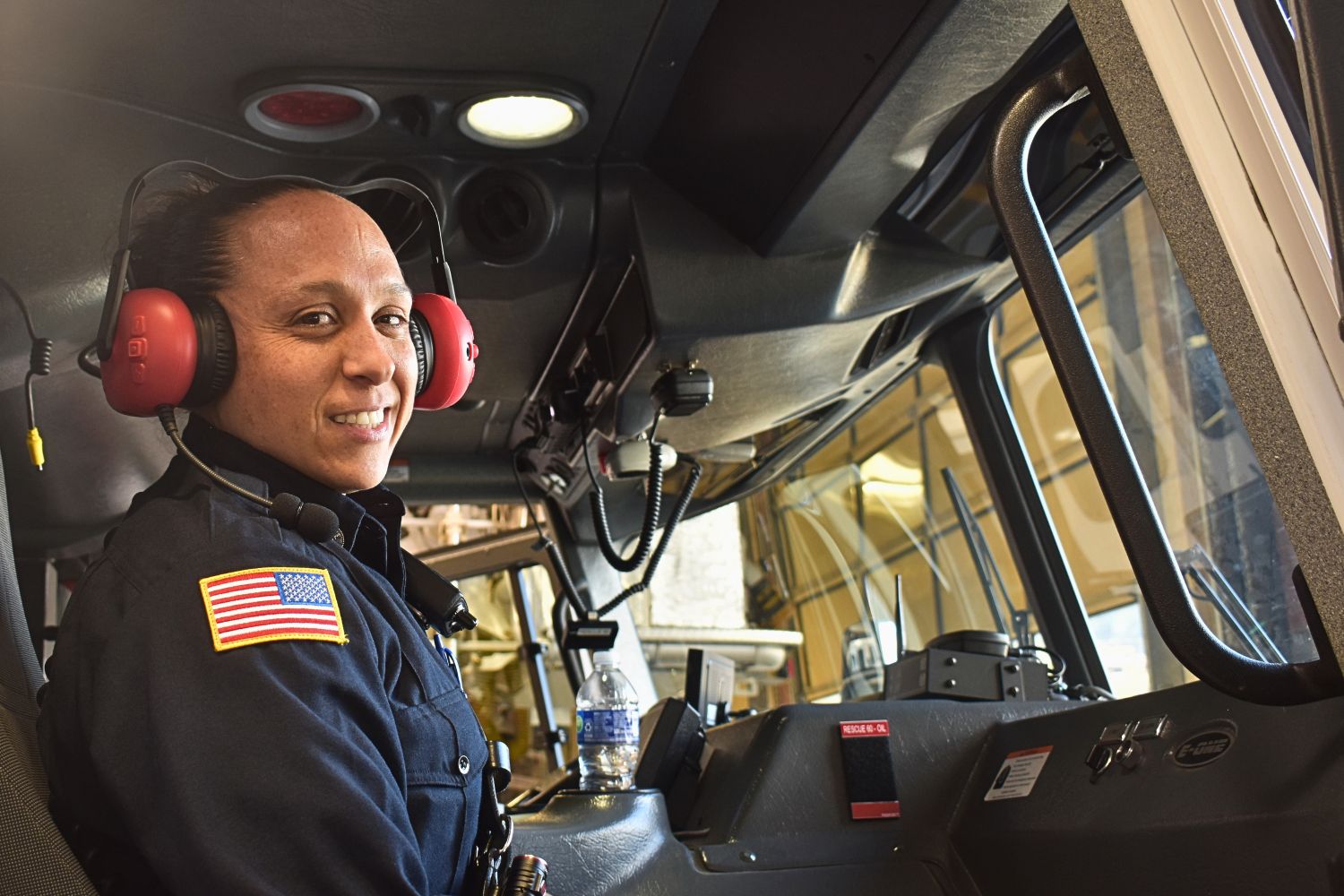 Maggie B., a refinery engineer and brigade member, said training teaches both personal limits and when to lean on a partner. “Some folks were bigger than me. You push to your limit and rely on the person next to you to cover what they do best. That’s why we’re a team.”
Courtney S., a probationary firefighter, called the department’s mantra “one team.” Even the testing is built for group success: “You’re graded on your assignment, but everyone benefits when everyone is supported.”
Nicole P., a brigade member, called passing her SCBA and hose drills “a win I didn’t know I needed,” adding, “If I can do it, you can do it.”
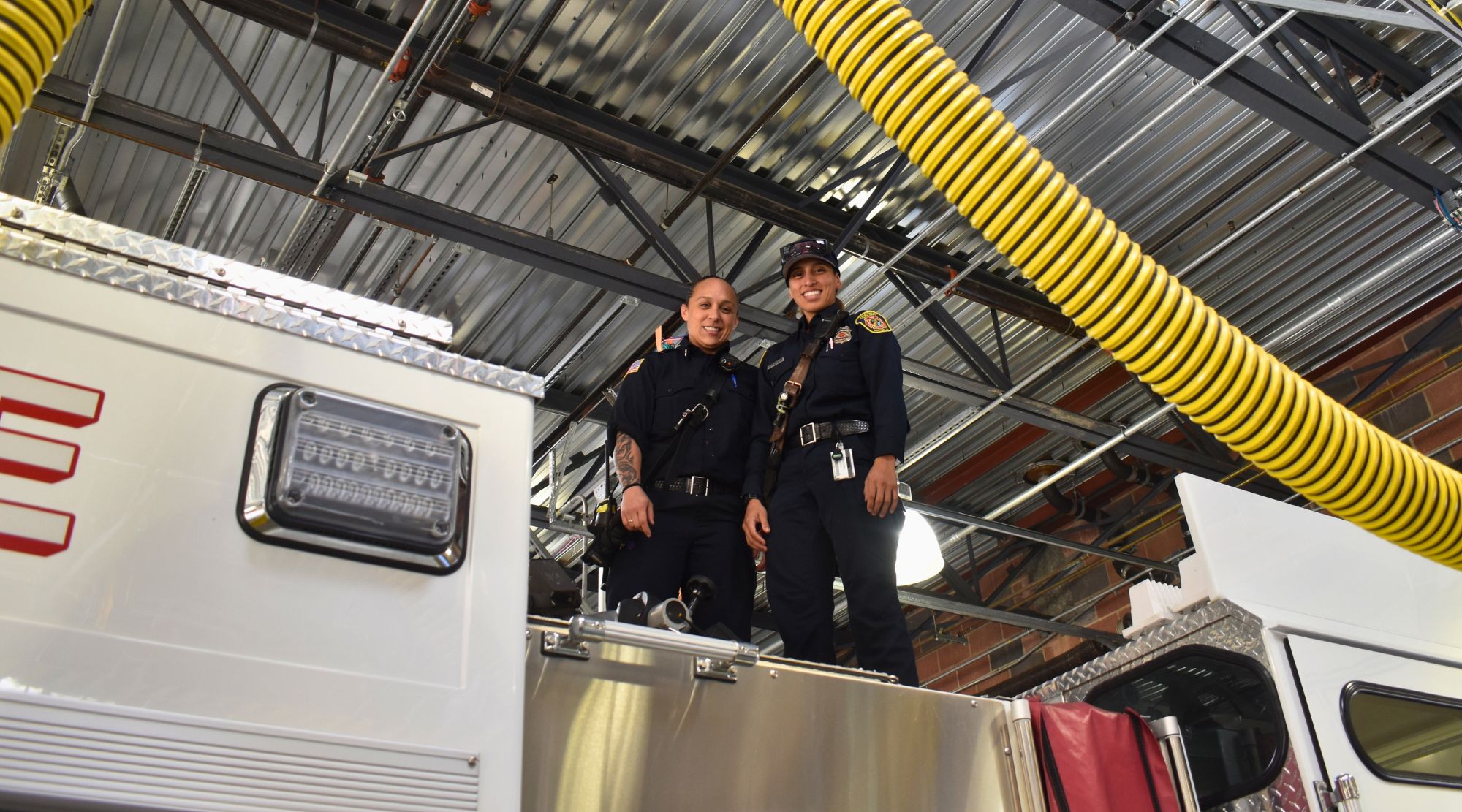
Mindset over metrics
A common hesitation they hear, especially from women, is about size, strength or weight. Their message: don’t count yourself out.
“It’s more mindset than muscles,” one brigade member said. “Learn efficient technique, protect your body, and keep your ‘why’ front and center, who you’re here to protect.” Another common coaching line in live burns: “Trust your gear.” Repetition and coaching, they say, make unfamiliar heat feel manageable, and a teammate is always a shoulder-tap away if you freeze.
Industrial vs. municipal
Naomi, who has also worked municipal calls, said refinery response is different in one key way: planning. “Municipal crews often roll in blind. Here, we help audit and plan the work first, so we can tailor the response to known hazards. Communication and line safety are the same, just with more information.”
That planning culture carries into emergencies, where clear radio traffic and practiced roles turn chaos into a checklist.
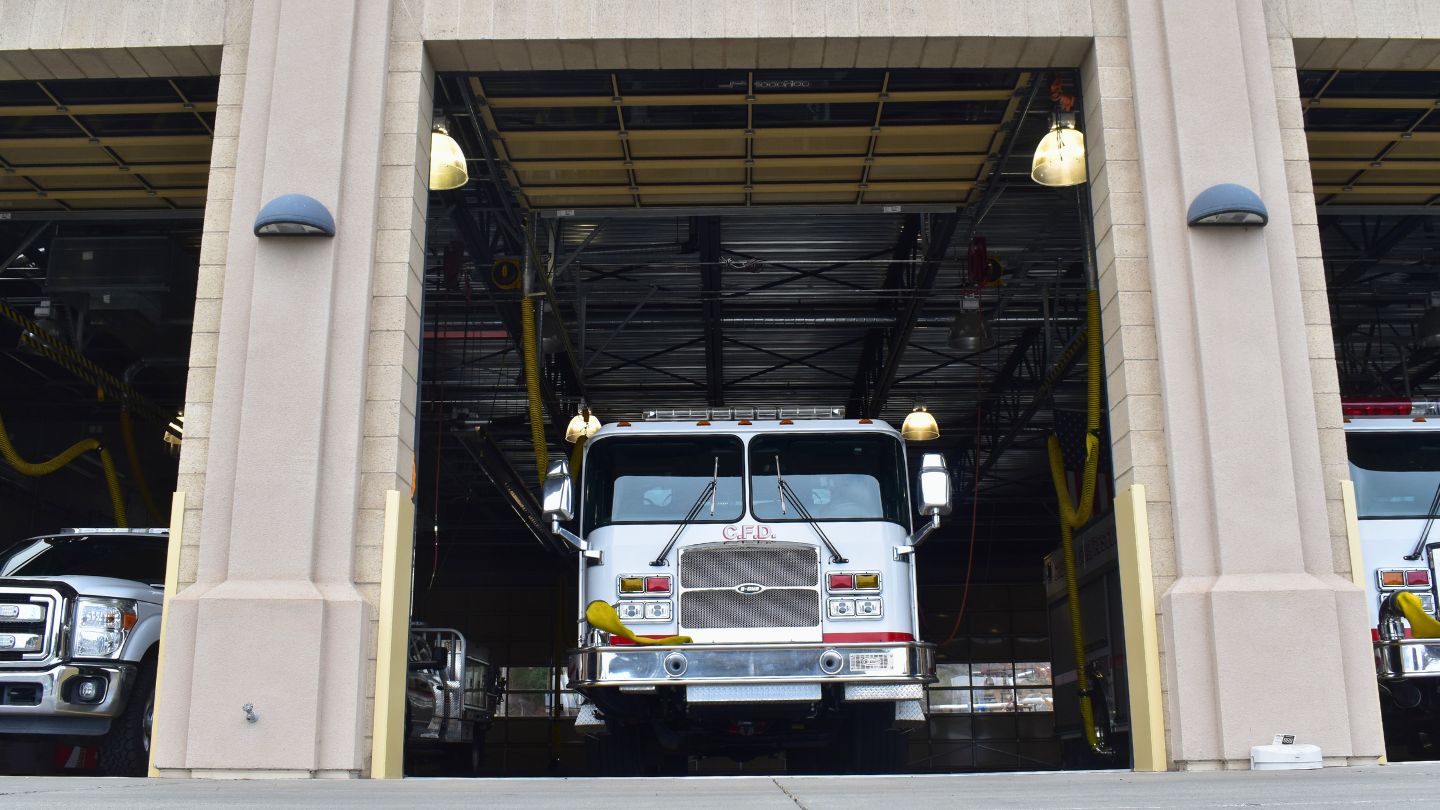 Hands-on impact
For Maggie, firefighting delivers immediacy her engineering desk rarely can. “I once helped classify a risk on paper, then later stood on the line with a nozzle helping fix it. Feeling the fire go out because the team executed, that’s deeply fulfilling.”
Kaylee agreed: “You do the thing, you see it work, and you high-five the crew that made it happen. It’s hands-on. It’s real.”
The crew regularly trains with neighboring agencies on rope rescue and other skills, including Richmond and El Cerrito, participates in community days and school visits (letting kids try on jackets and handle a tamed hose stream), speaks at local colleges, and runs holiday toy drives. They’ve also compared notes with other refineries and can provide specialized resources when permitted. Inside the fence, they emphasized readiness: “I was shocked at the amount of equipment and how squared-away the station is,” one member said.
Getting started, and staying
Asked what they’d tell a woman on the fence about joining, Naomi didn’t hesitate: “Don’t wait to be ‘ready.’ Show up. Work hard. Learn. The team will meet you halfway.”
No matter who you are, these attributes garner respect, and the payoff is seeing more women step in behind you, said Kaylee, who entered an all-male unit as a young operator trainee. She added, “Sometimes you’re setting the trend and paving the path. That opens doors. That’s the payoff.”
The women smiled at a saying from a retired battalion chief: “We’re not making ice cream here.” Heavy industry demands seriousness. That’s exactly why they suit up.
“Danger simplifies things,” Maggie said. “When you’re all standing next to something that can hurt you, the only way through is together. That’s the job. That’s the joy.”