By Mike Aldax
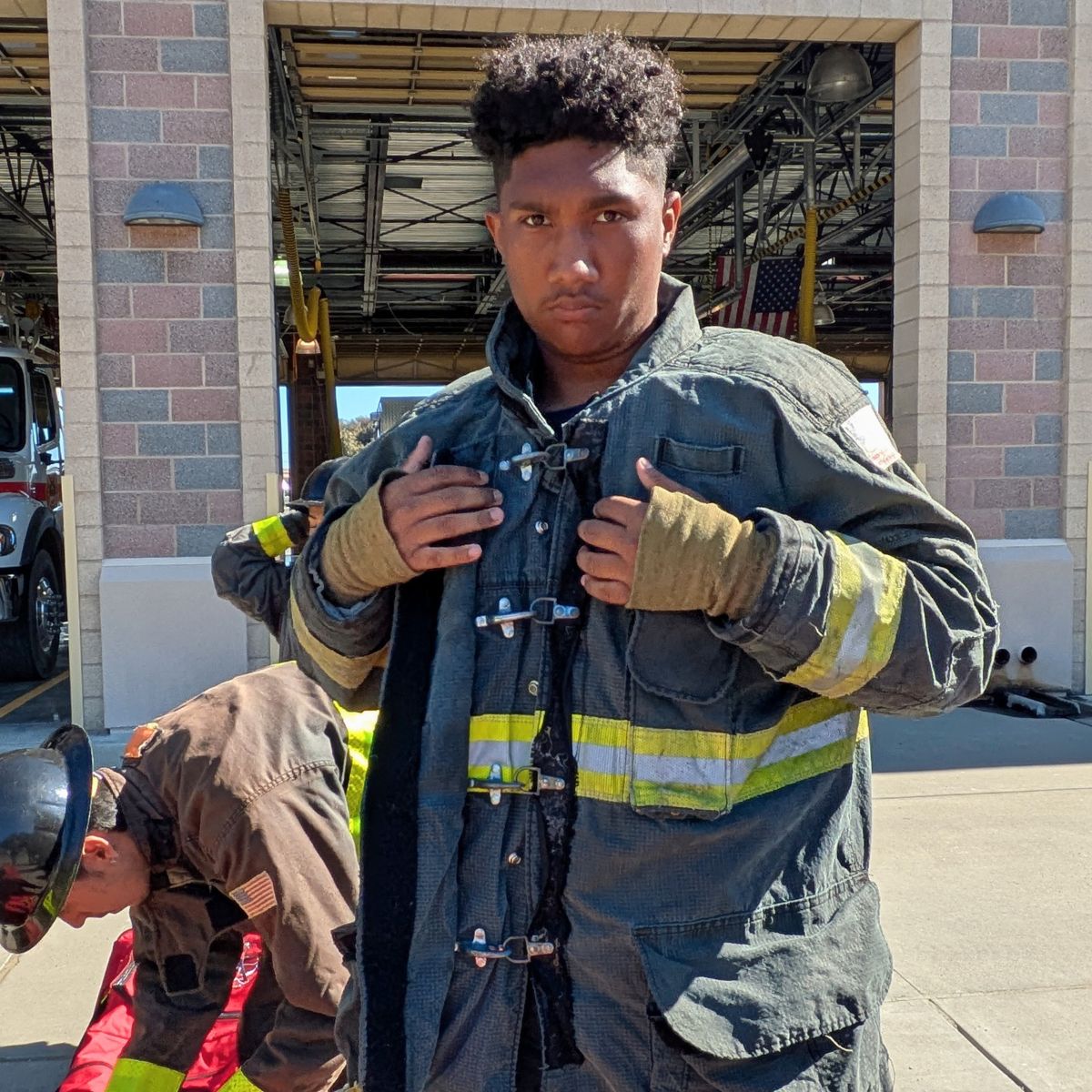
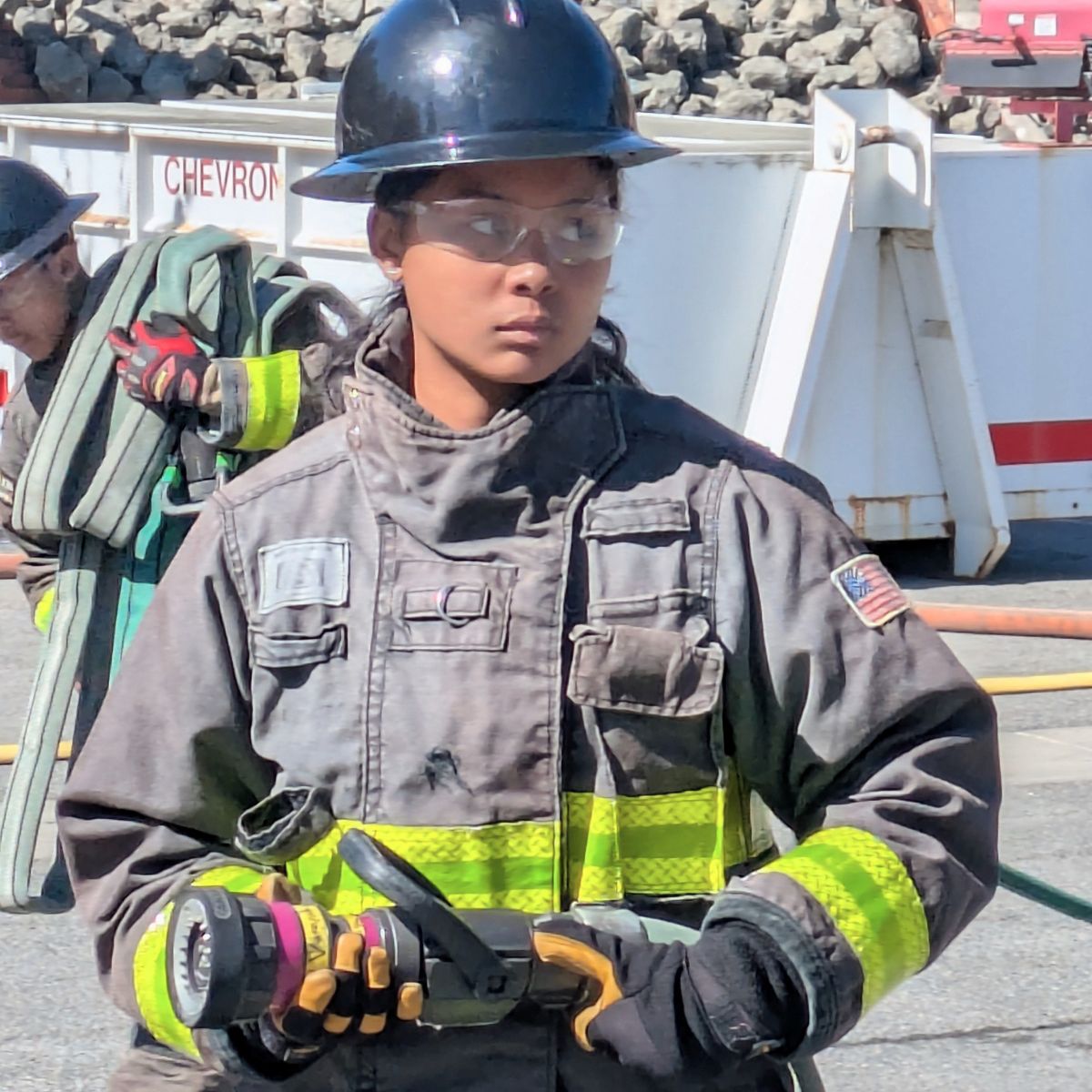
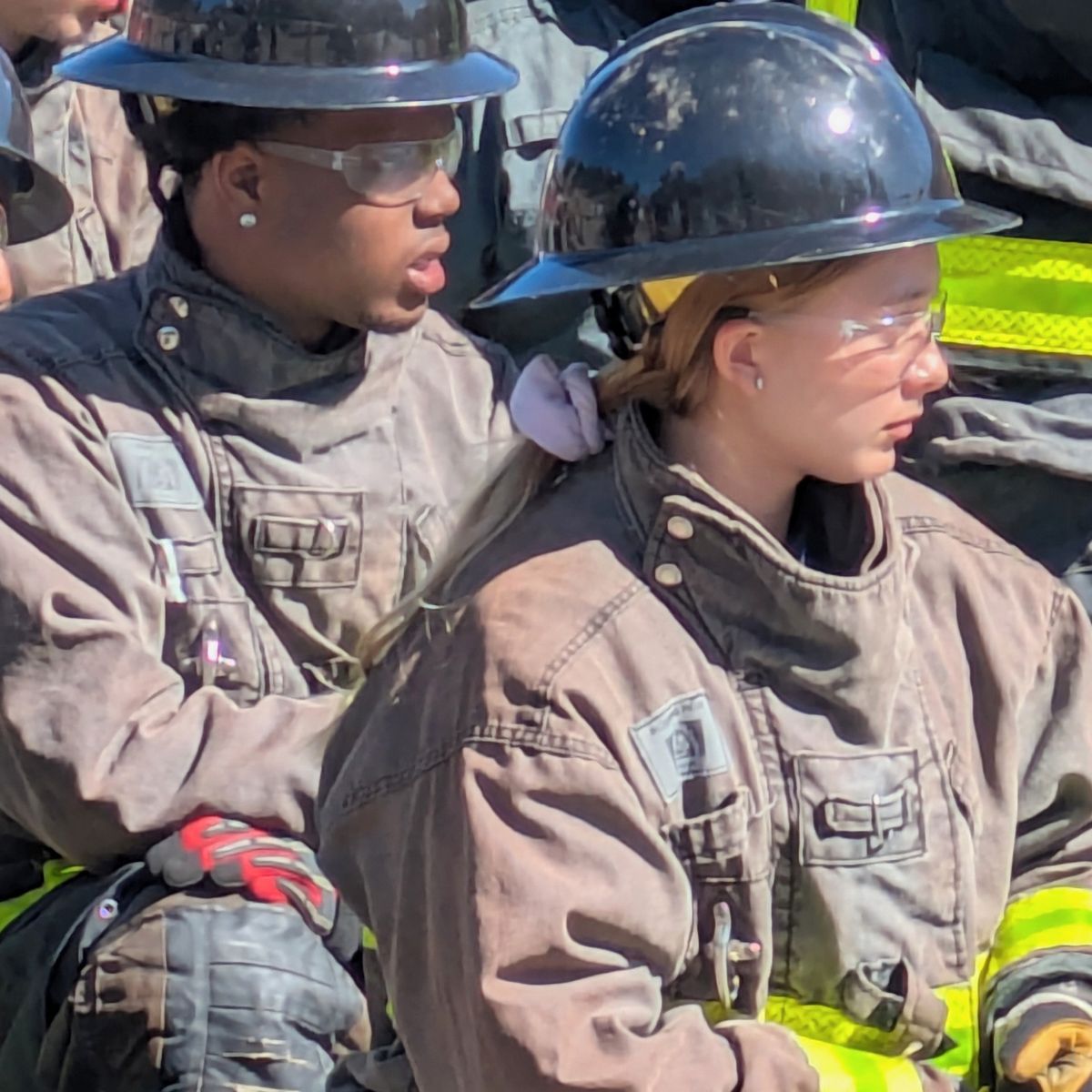
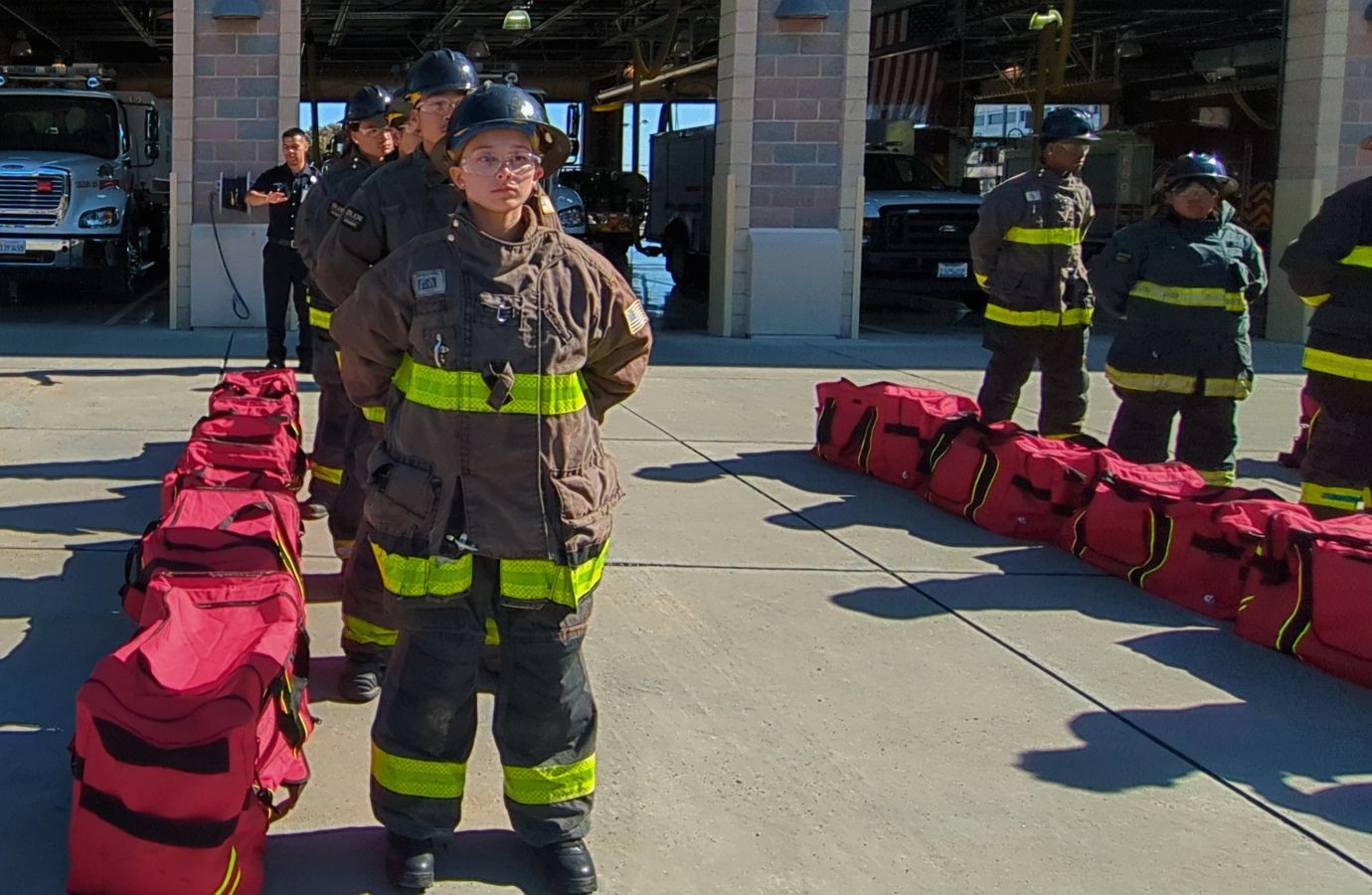
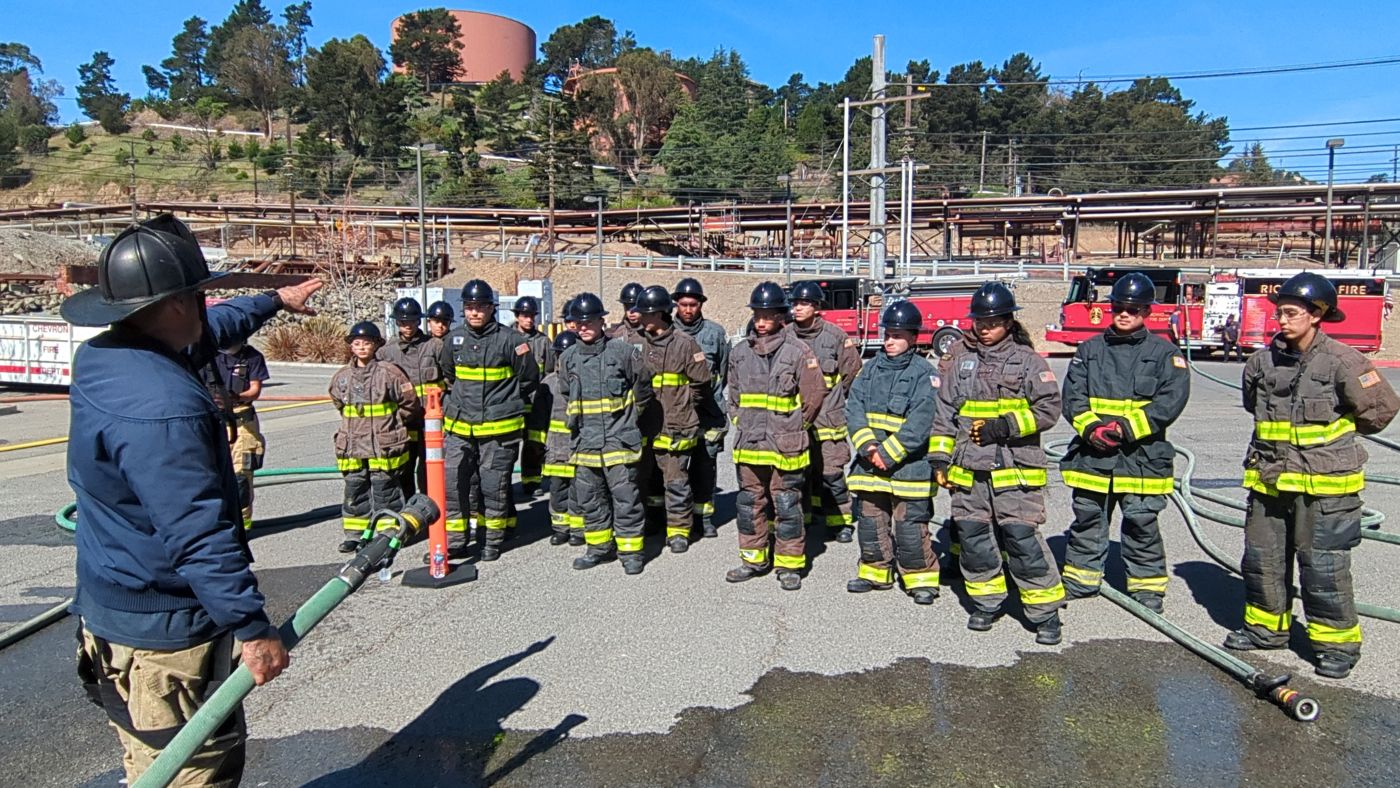
A group of Richmond youth recently traded classrooms for 50 pounds of fire gear and high-pressure hose lines at the Chevron Fire Station.
The four-hour training session on March 28 marked a new partnership between the Richmond Fire Youth Academy and Chevron Fire Department designed to give local students a look at the specialized world of industrial firefighting.
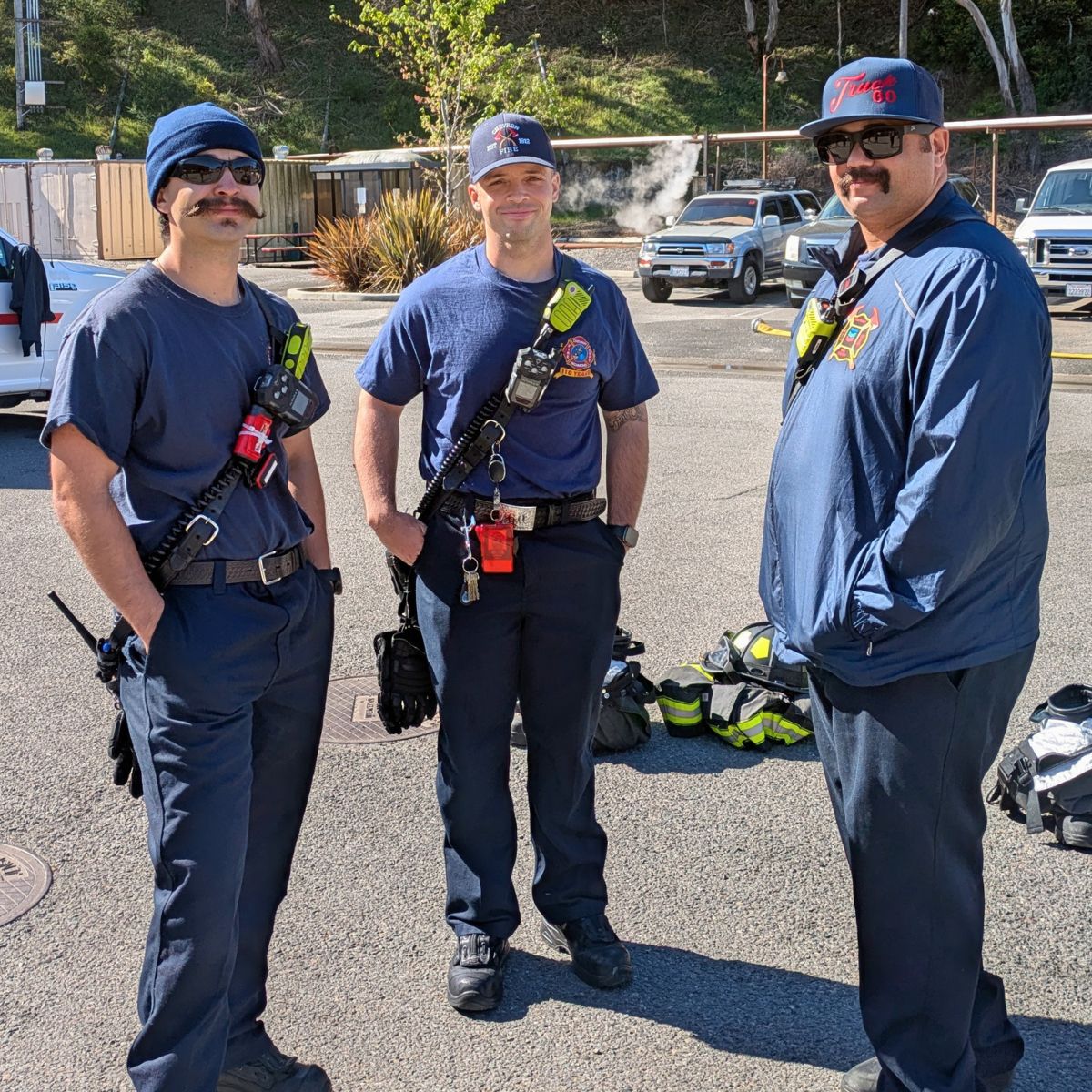
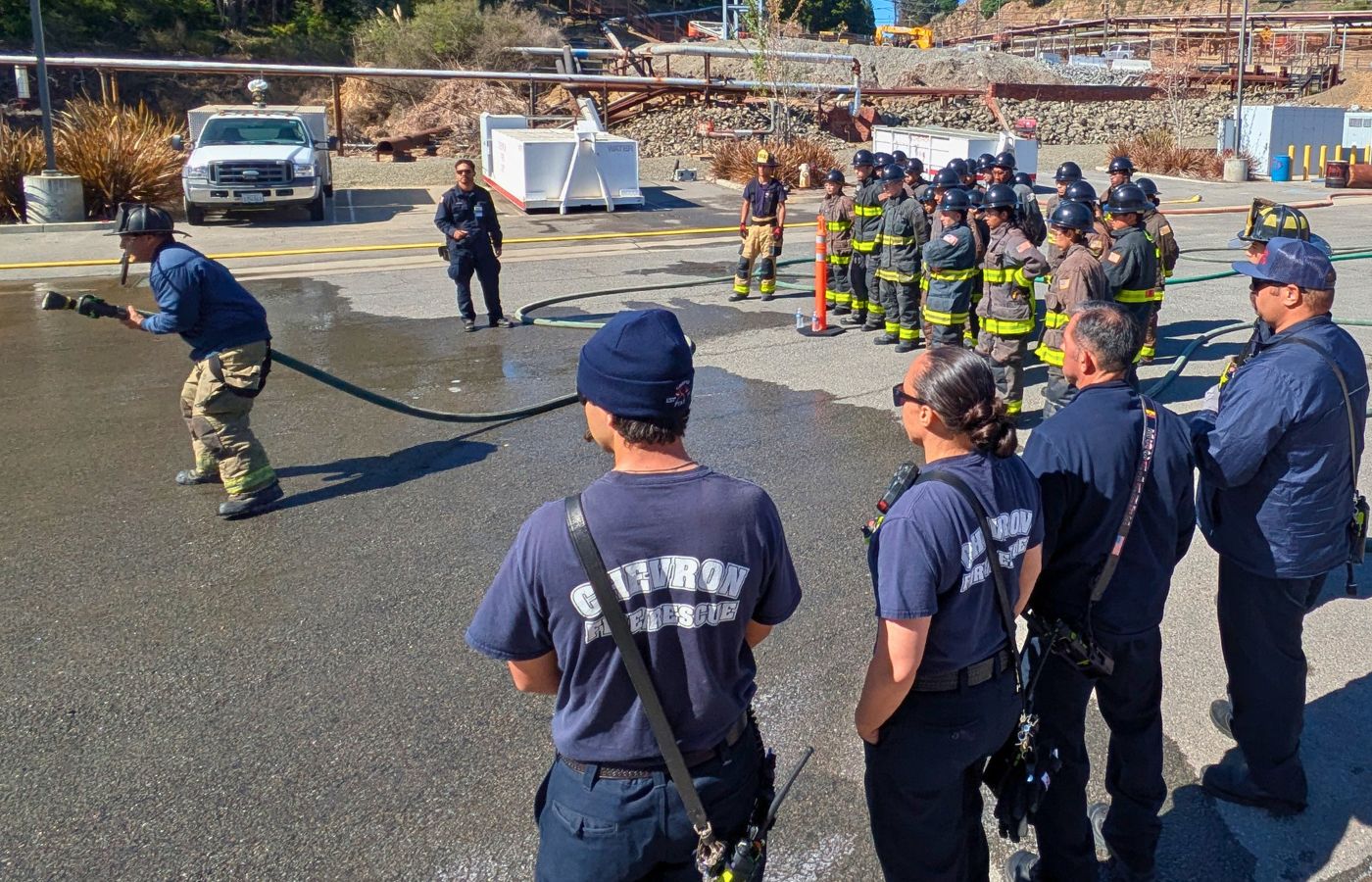
Led by Chevron Fire Department Battalion Chief Charles Escalante and Richmond Fire Department Firefighter Adam Ramirez, the training included an overview of Chevron Fire Department’s 12-hour shift structure, as well as its specialized quick attack monitor trucks that quickly contain fires and prevent them from spreading during the initial minutes of an emergency. Escalante hosted the academy for the first time to introduce cadets to technologies and processes they would not typically see in a municipal firehouse.
“I’ve always had a training-focused mentality,” Escalante said. “I want to help young individuals enter the fire service in any way they can.”
The session featured rigorous physical drills that mirror professional academy standards. Cadets practiced turnout drills which require donning full gear and air packs in under 90 seconds.
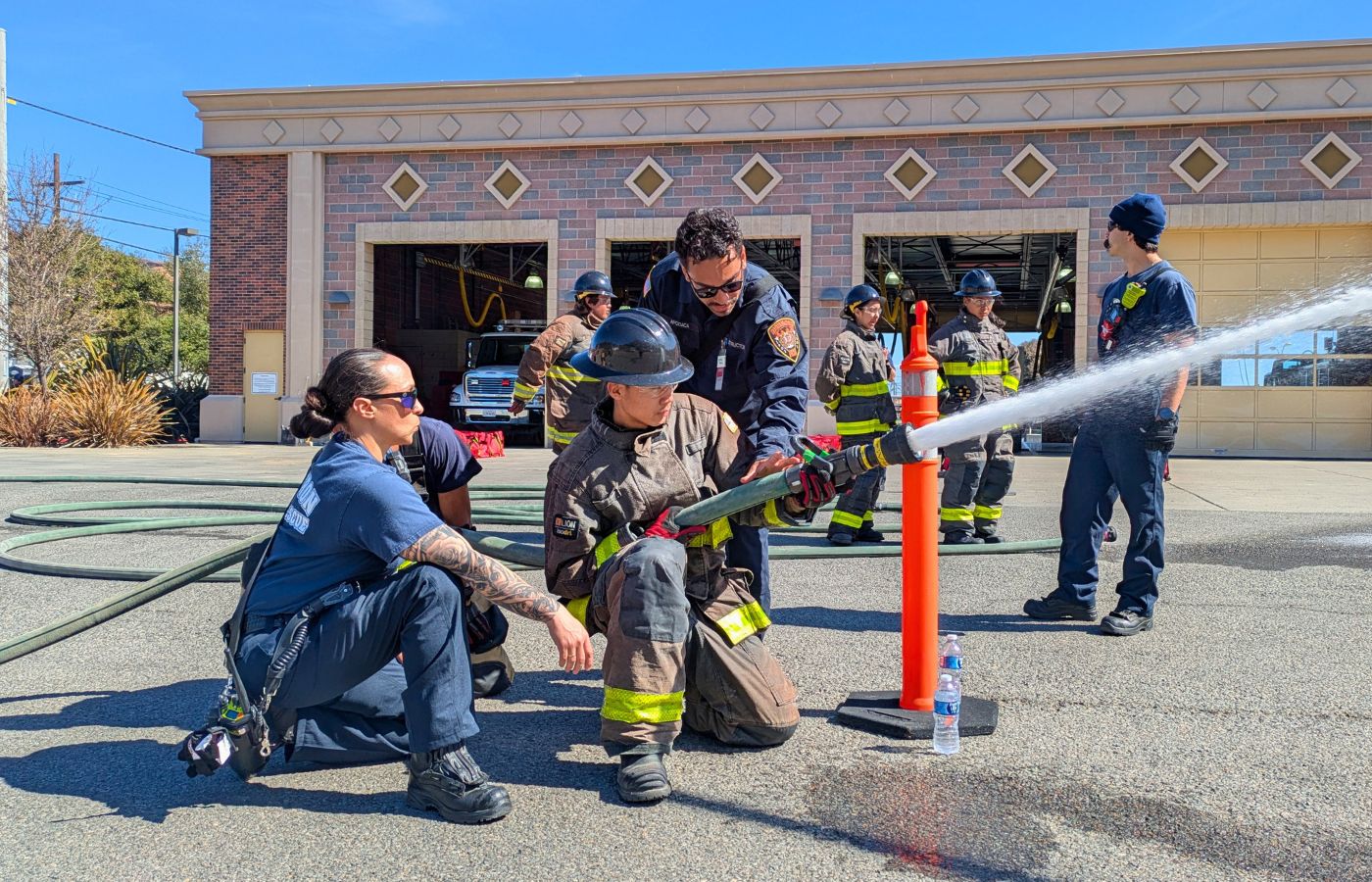
They also participated in a hose deployment drill where students extended lines to a specific location. If they failed to hit the time mark, they risked being sprayed with the water stream. Escalante noted the importance of the exercise, stating, “you have to be quick and move with purpose.”
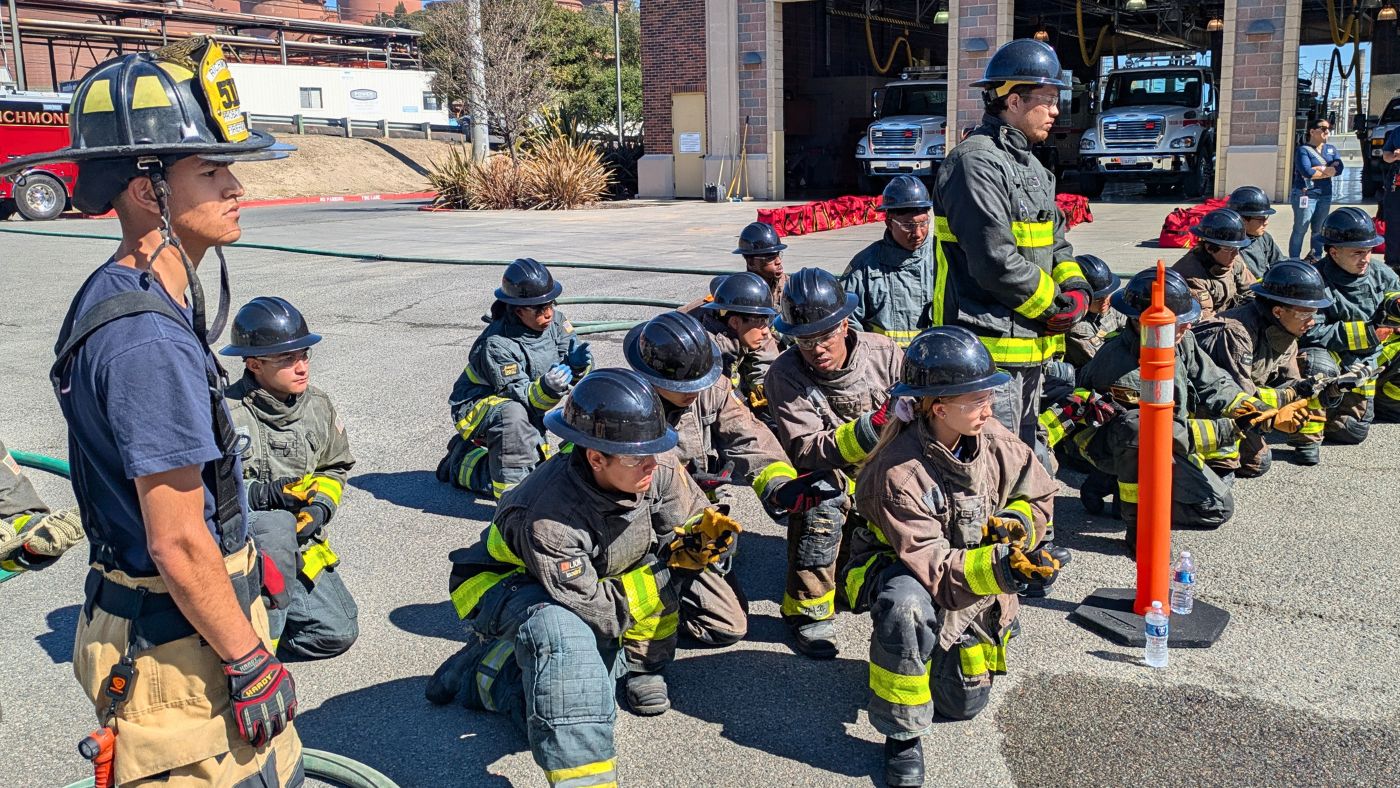
The training additionally provided instruction on forcing doors, throwing ladders, dummy rescues, stop-the-bleed techniques, and general first aid.
Legacy of professional mentorship
Ramirez, a Richmond native, has led the youth fire academy for five years. The program was founded in 1994 by the Black Firefighters Association and has grown from 10 students to a competitive organization with over 100 applicants.
The academy now includes 40 female students and reflects the city’s demographic diversity.
“I’m a product of this environment,” Ramirez said. “I’m here to recycle my success and pour it into them the way that the city has been doing for years.”
The youth fire academy uses a professional application process involving interviews with fire and police chiefs to prepare students for the workforce. While the city funds 25 formal cadet spots, others participate through the Future Generations Project, a nonprofit focusing on community service, financial literacy, and resume workshops.
Ramirez emphasized that the program prepares youth for various paths including nursing, the military, and law enforcement.
“While I want them to be the best firefighters possible, at the end of the day, I want them to be the best version of themselves,” Ramirez said.
Beyond the technical skills, the academy emphasizes community involvement as a core pillar of its curriculum.
“We do community service events, clean up the beach, clean up the local schools, help out with dumpster days and things like that,” Ramirez said. “We do workshops, financial literacy, resume workshops, interview workshops, things of that nature.”
He believes this service-oriented approach is essential for the fire service, where members must wear many hats, from mechanic and janitor to counselor and teacher.
Future collaborations
Both Escalante and Ramirez expressed a desire to make the youth training partnership with Chevron Fire Department a regular fixture of the academy’s schedule to continue building relationships between municipal and industrial crews.
“I have built strong relationships with members of the Chevron team, specifically Chief Escalante,” Ramirez said. “From a professional standpoint, this is a partnership I would love to continue and grow into the future.”
Beyond training local youth, the Chevron Fire Department serves as a critical regional resource by providing free, mandated training to fire departments throughout the Bay Area.
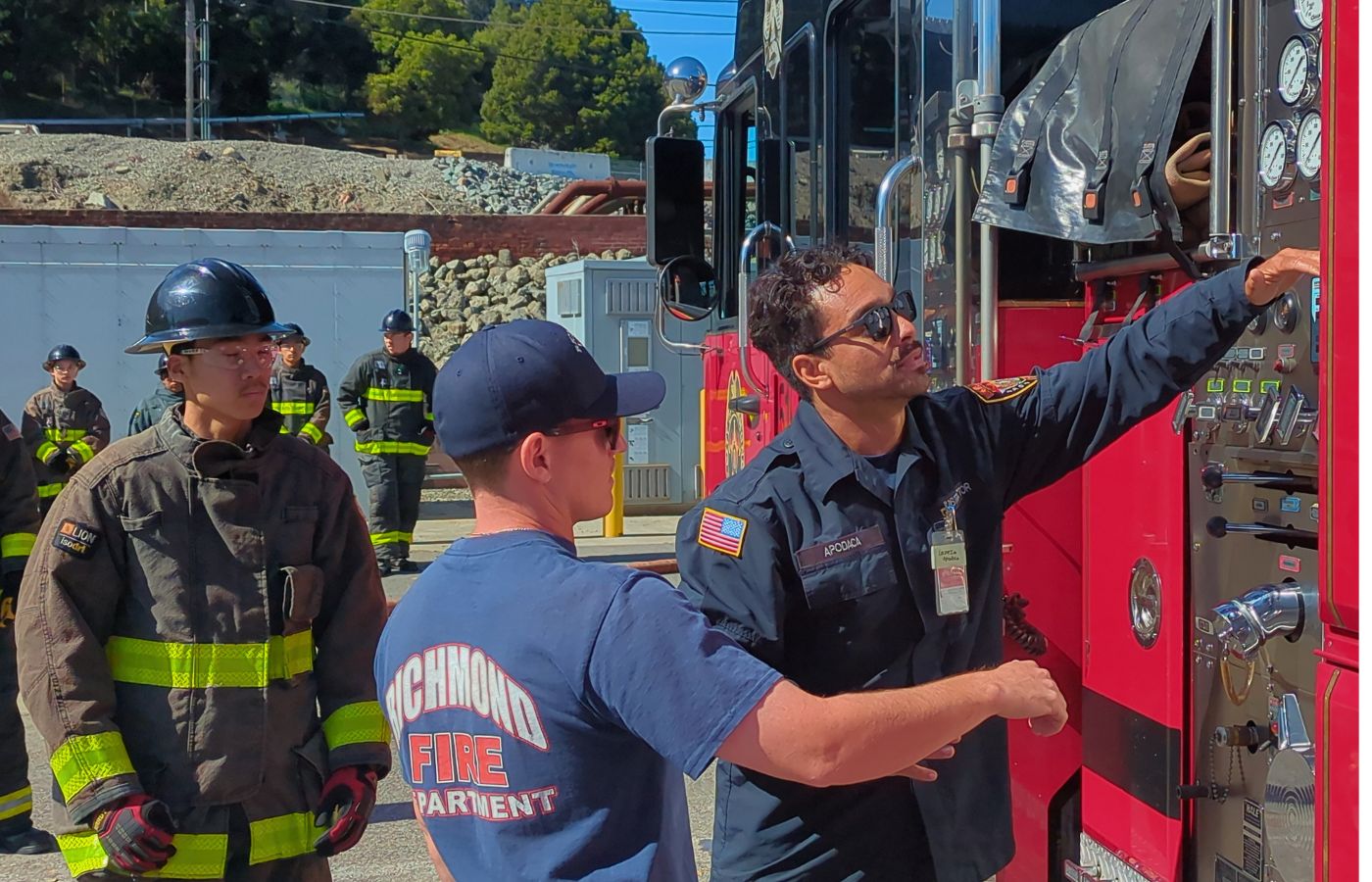
California standards require every firefighter to be trained in fighting flammable liquid and gas fires before certification, a requirement that often forces local agencies to pay for expensive out-of-state programs involving airfare and lodging. By opening its world-class industrial training grounds for free, Chevron allows regional recruits to face live gasoline and natural gas fires in a controlled environment they cannot find elsewhere in the state, Escalante says.
The partnership saves local taxpayers thousands of dollars per recruit. More importantly, it makes the community safer.
“It makes sure our city and industrial crews are ready to work side-by-side in the event of emergencies,” Escalante said.