Optimized traffic signals, reduced speed limits, upgraded bikeways, and the addition of trees and other greening projects are all part of a plan to make the Richmond Parkway safer for all users and more pleasant for neighbors.
But members of Richmond City Council expressed concern over whether the regional project’s cost and scope could come at the expense of other roadway priorities in the city.
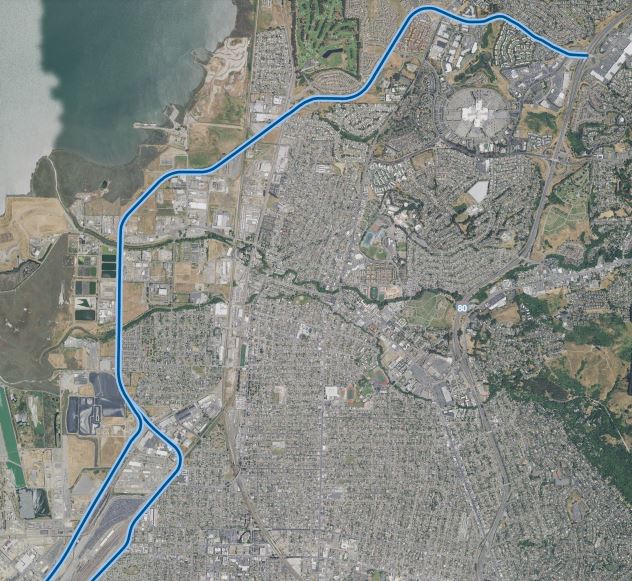
The final draft of the Richmond Parkway Transportation Plan, which aims to improve safety along the accident-prone corridor between I-580 and I-80, including Castro Street, will be ready to present to city, county and regional governing bodies early next year, members of the West Contra Costa Transportation Commission (WCCTC) reported to the Richmond City Council on Tuesday.
The WCCTC, one of four regional planning committees in Contra Costa County, led development of the draft plan. The commission partnered with the County and City of Richmond to win a $562,650 grant from Caltrans, which was used in part to conduct community outreach to shape the plan.
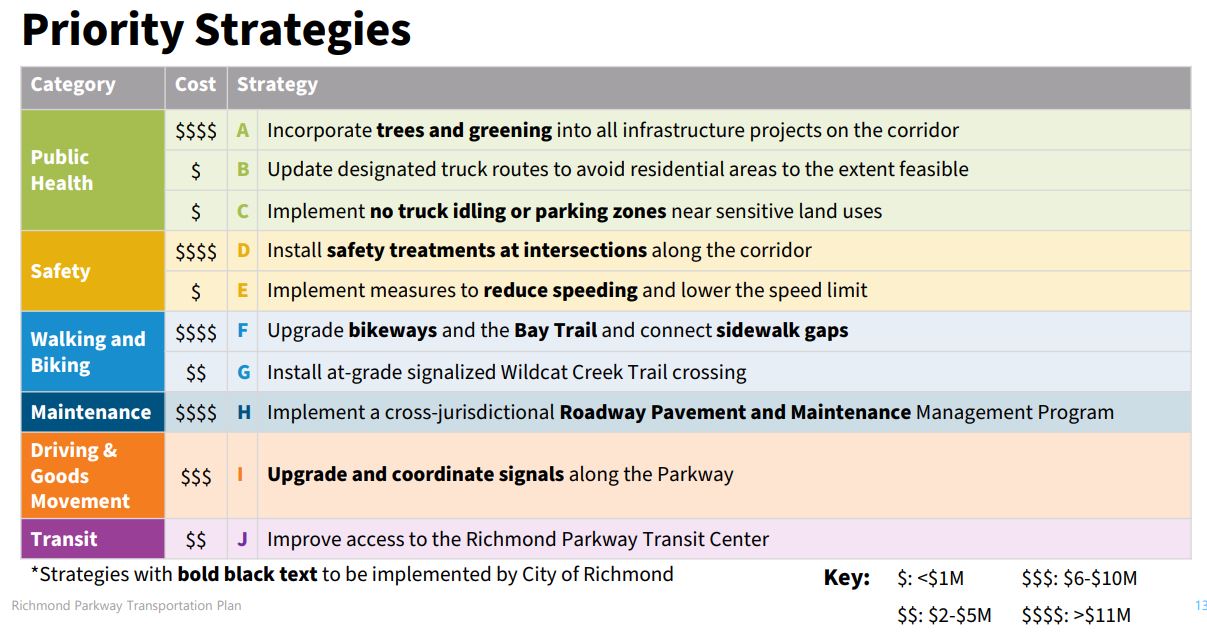
Strategies in the plan include incorporating trees and greening into all infrastructure projects on the corridors, along with updating designated truck routes in North Richmond to avoid residential areas, to the extent feasible. The plan aims to install safety measures at intersections, as well as speed reduction measures, including lowering the speed limit.
The plan would further upgrade bikeways and the Bay Trail and connect sidewalk gaps; install an at-grade signalized Wildcat Creek Trail crossing; upgrade and coordinate signals along the Parkway, improve access to the Richmond Parkway Transit Center and implement a cross-jurisdictional program to maintain the pavement and roadway features over time.
While Richmond City Council members expressed support for the project’s aims, some were concerned over the plan’s potential to sap resources from other areas of need in the city.
The WCCTC envisions applying for a wide variety of federal, state and regional grants and other funding sources to realize the overall plan. In January, the Final Draft Plan will return to WCCTC, the County Board of Supervisors and the Richmond City Council for potential final acceptance.