By Kathy Chouteau
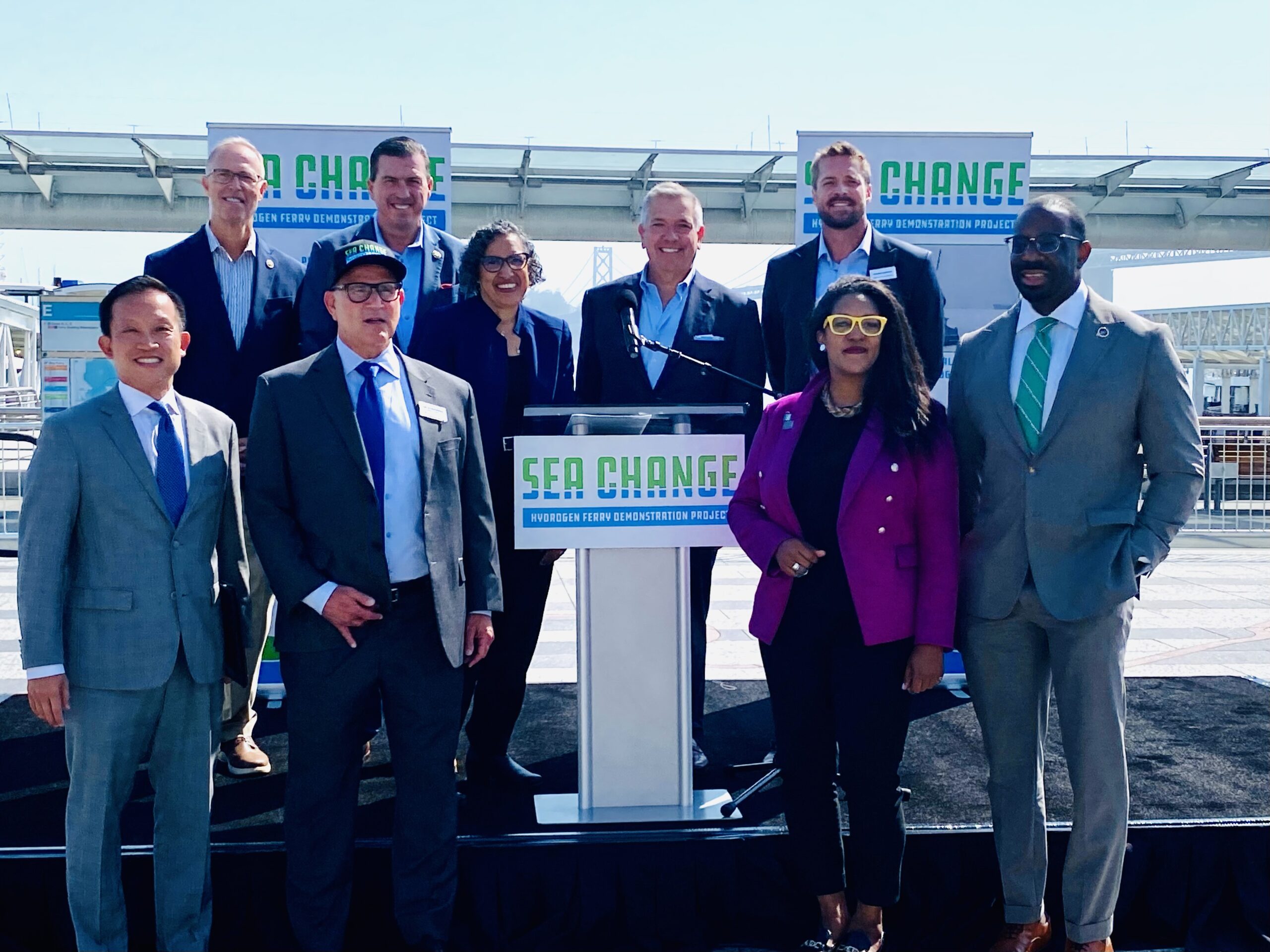
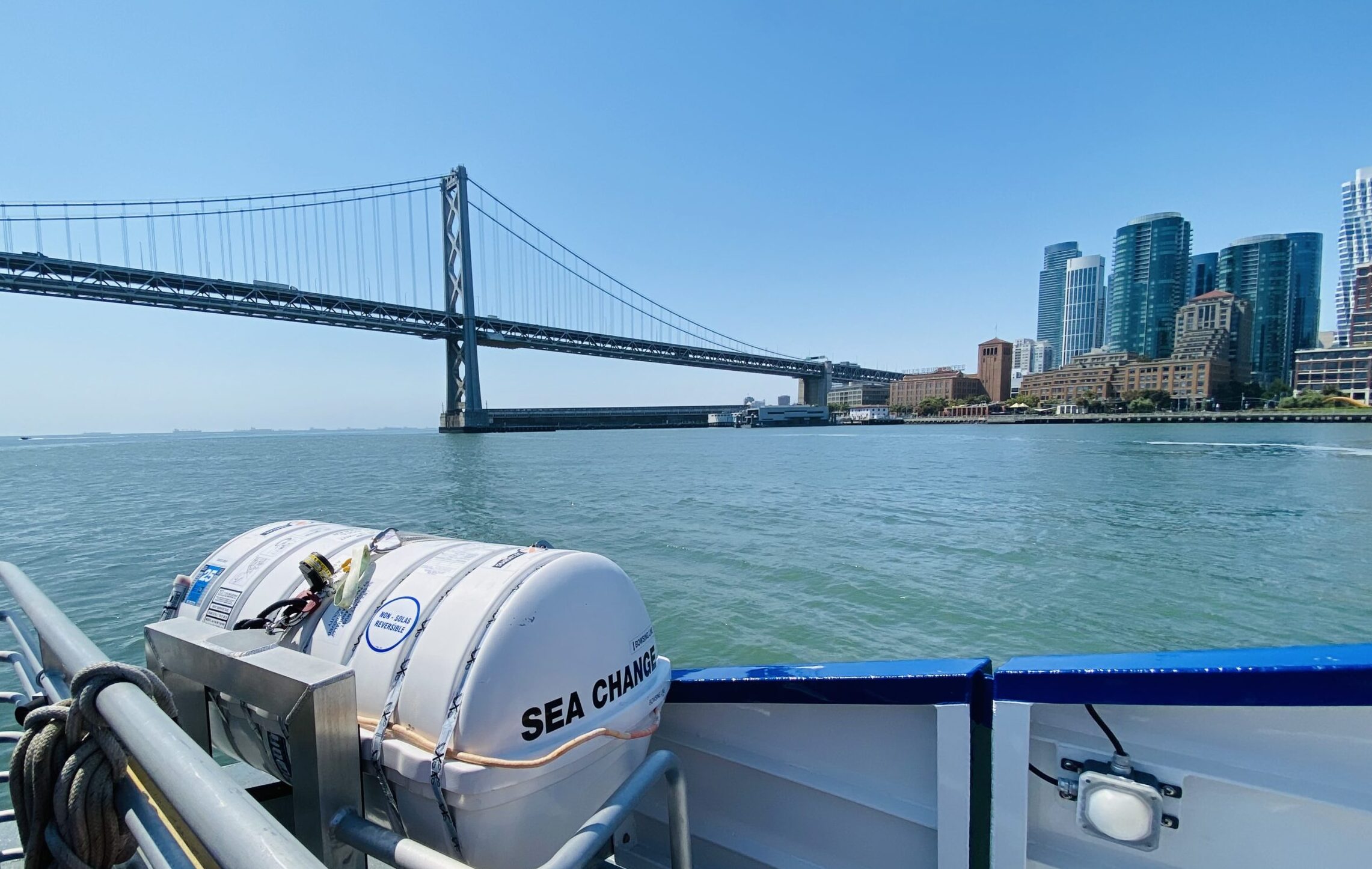
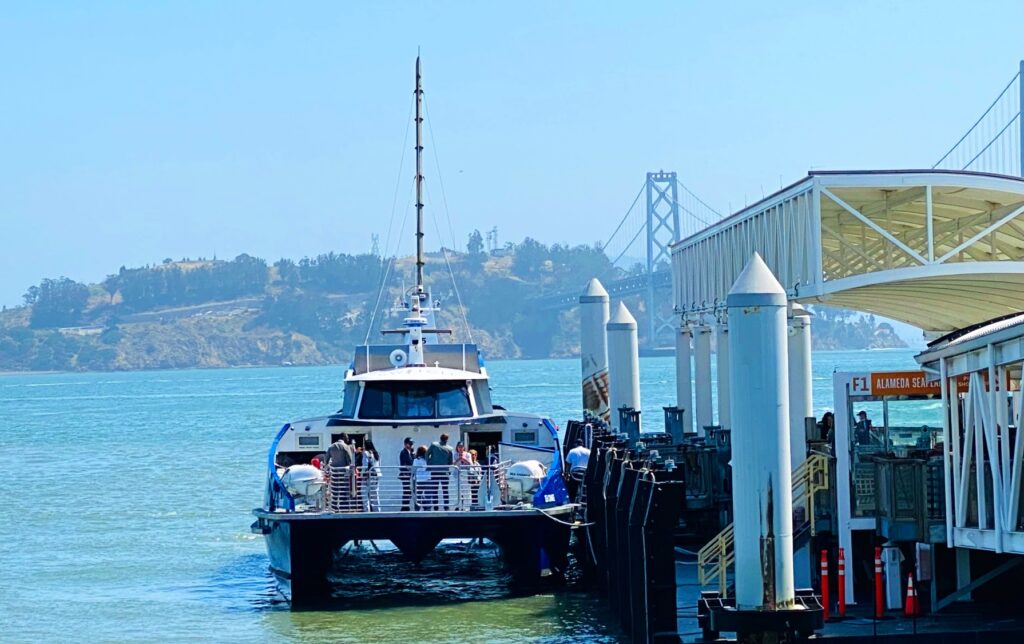
History was made recently when San Francisco Bay Ferry launched the world’s first fully hydrogen-powered ferry, the MV Sea Change, into the Bay.
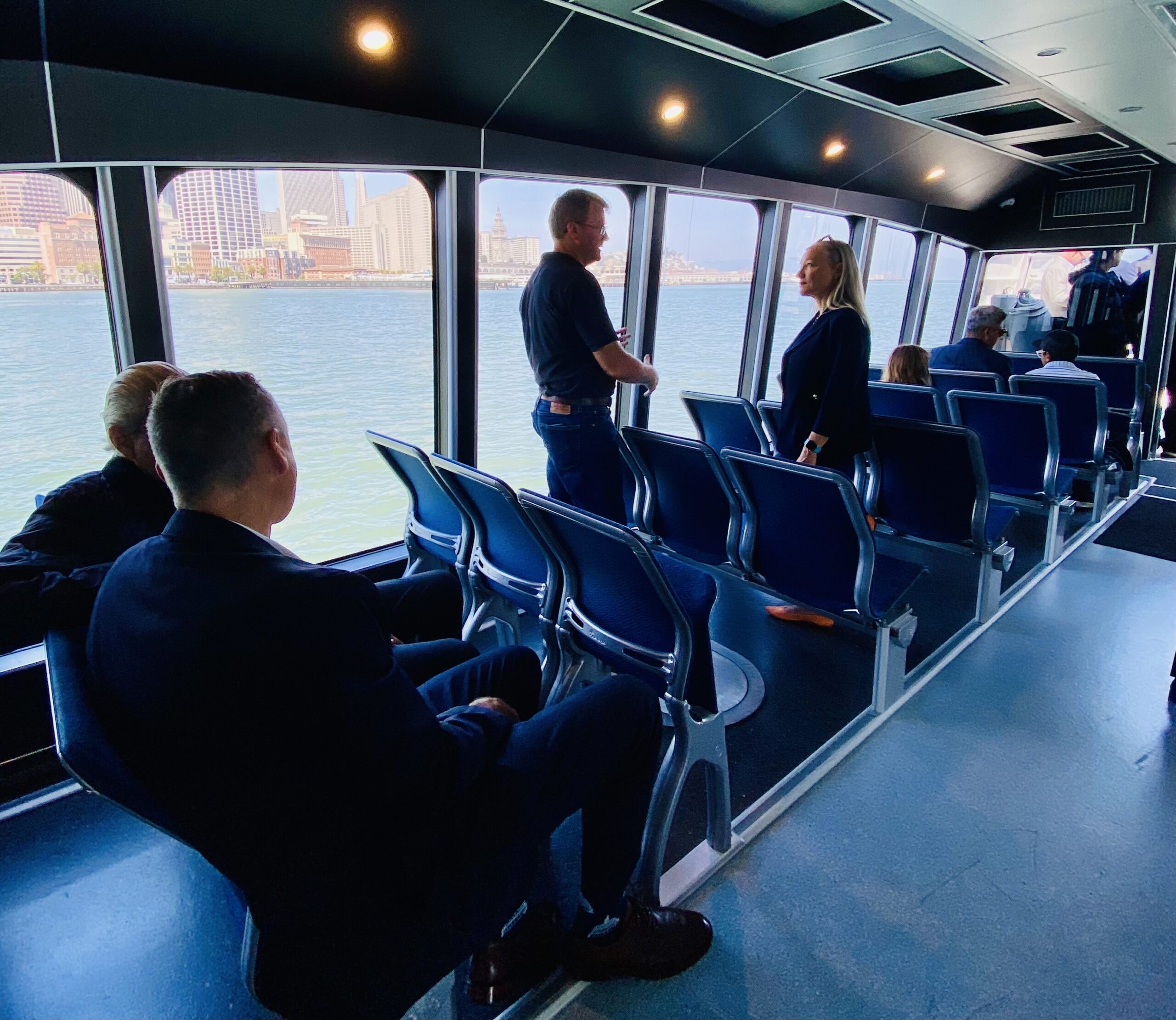
Powered by 100 percent zero-emission hydrogen fuel cells, Sea Change emits only water vapor, marking a significant milestone toward decarbonizing the maritime industry. The ferry will commence a six-month demonstration service and provide free transportation between Pier 41 and the San Francisco Ferry Terminal.
The short-term demonstration service looks to underscore the application of fuel cell technology as a viable strategy for reducing greenhouse gas emissions and improving air quality.
‘Hydrogen has the energy density required to efficiently operate heavy-duty vehicles and ships that transport goods and people across the state and nation.’
The historic ferry service is co-sponsored by Chevron, which is taking actions to deliver hydrogen solutions at scale. Chevron believes that the future is lower carbon and that hydrogen has an important role to play in achieving that goal, according to Michael Hoban, General Manager of Hydrogen with Chevron New Energies.
Hydrogen has the energy density required to efficiently operate heavy-duty vehicles and ships that transport goods and people across the state and nation, like buses, trains, big rigs and ferries. Hoban says Chevron aims to build “a large-scale hydrogen business that will provide that affordable, reliable and ever-cleaner energy to the communities that need it most.”
Sea Change is owned by SWITCH Maritime and bolstered via a grant from the California Air Resources Board (CARB). It was developed in California and built by All American Marine in Bellingham, WA. Along with support from Chevron New Energies, the ferry’s demonstration service is sponsored by the Golden Gate Bridge, Highway and Transportation District and United Airlines. San Francisco Bay Ferry’s contract operator, Blue & Gold Fleet, will operate the ferry service.
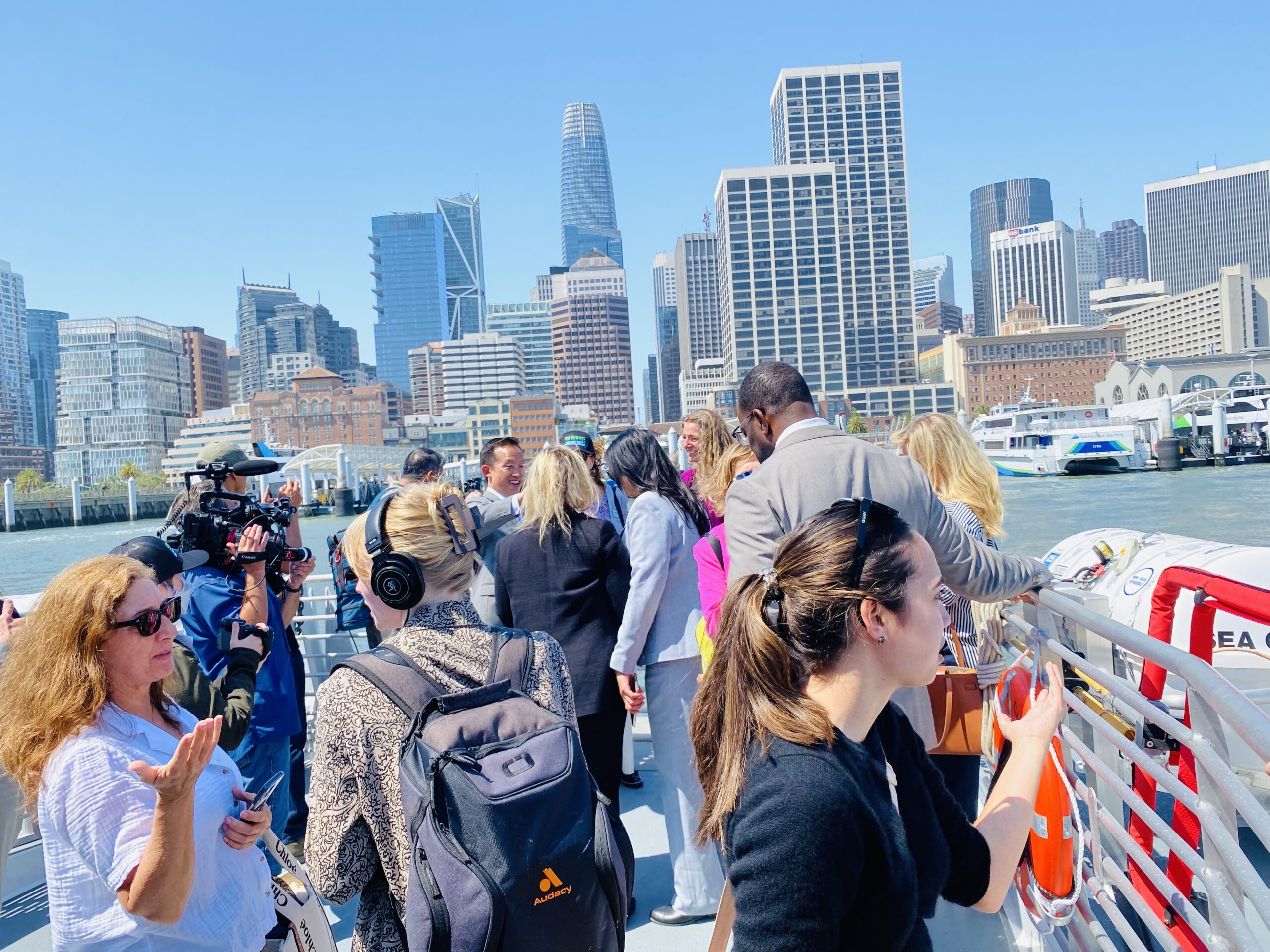

“California is a global leader in the fight against the climate crisis, pioneering new technologies to ramp up clean energy and cut pollution—that’s why the zero-emission Sea Change is so exciting,” said California Governor Gavin Newsom. The governor added that he’s proud of the state’s role in advancing these innovations, and of California’s public and private sector partners for bringing them to market and demonstrating their viability.
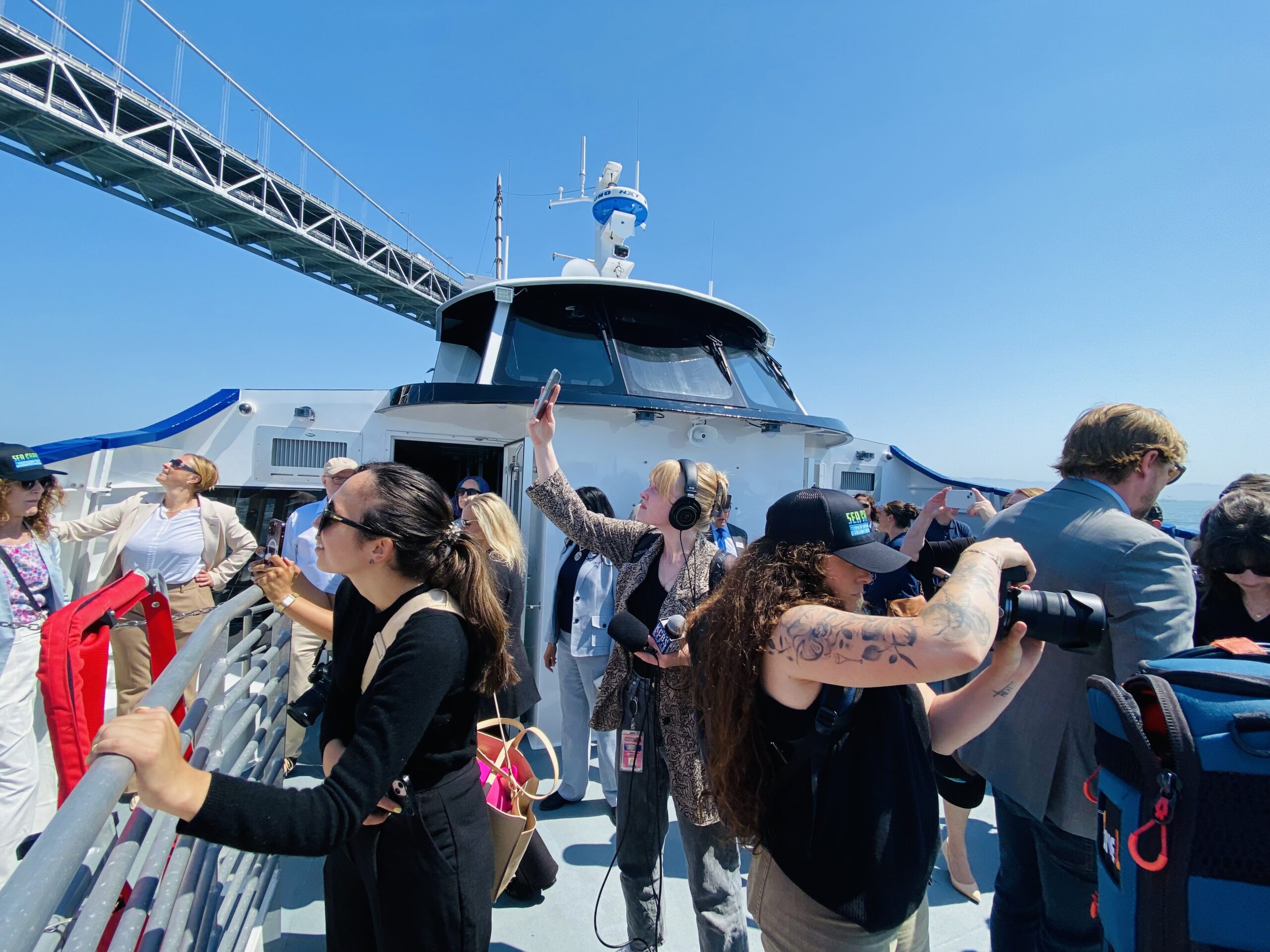
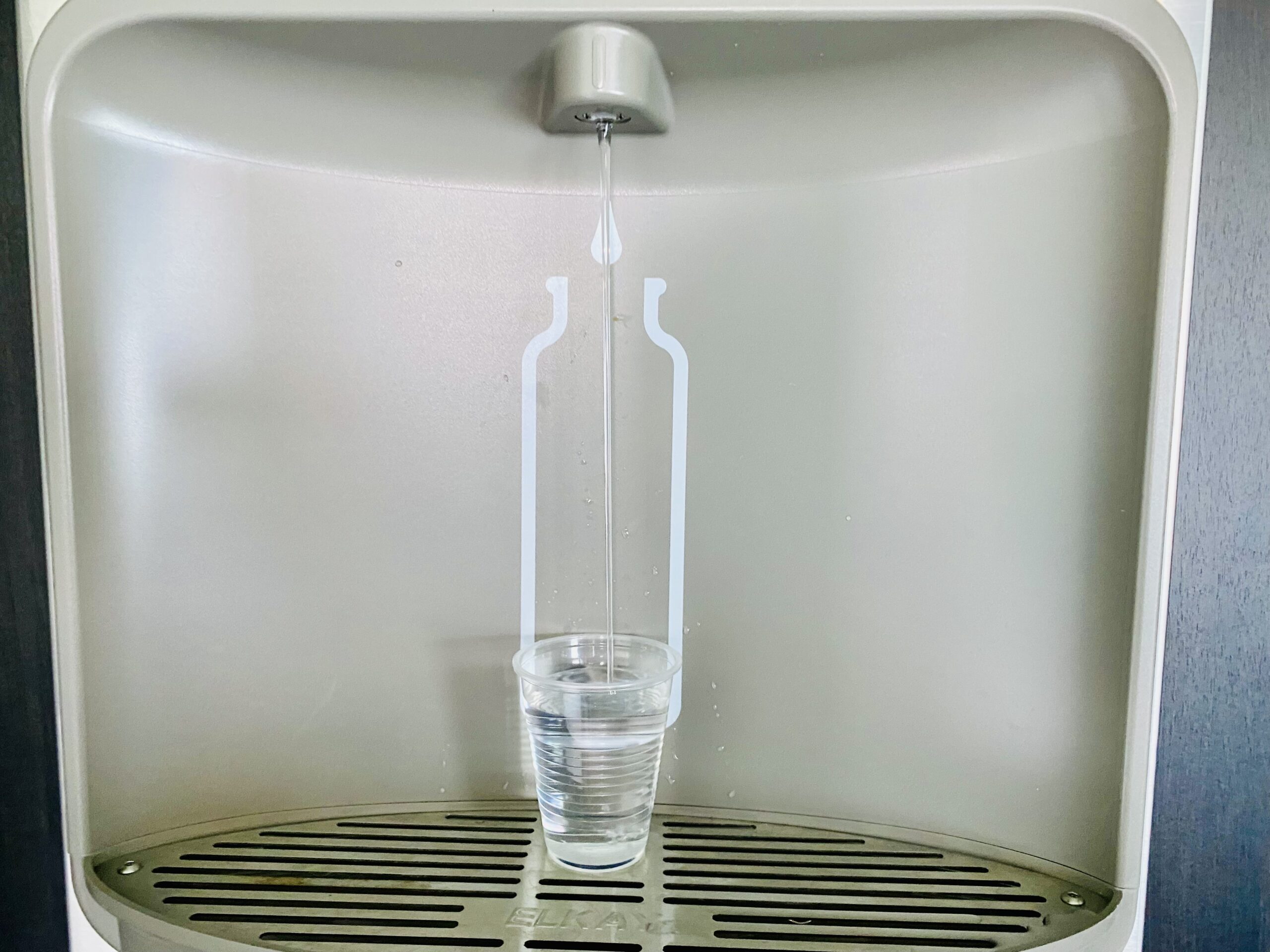
During the short ride aboard Sea Change, riders were able to sample a water fountain on the ferry that disperses its own remineralized water vapor emissions—the only such vessel with drinkable emissions.
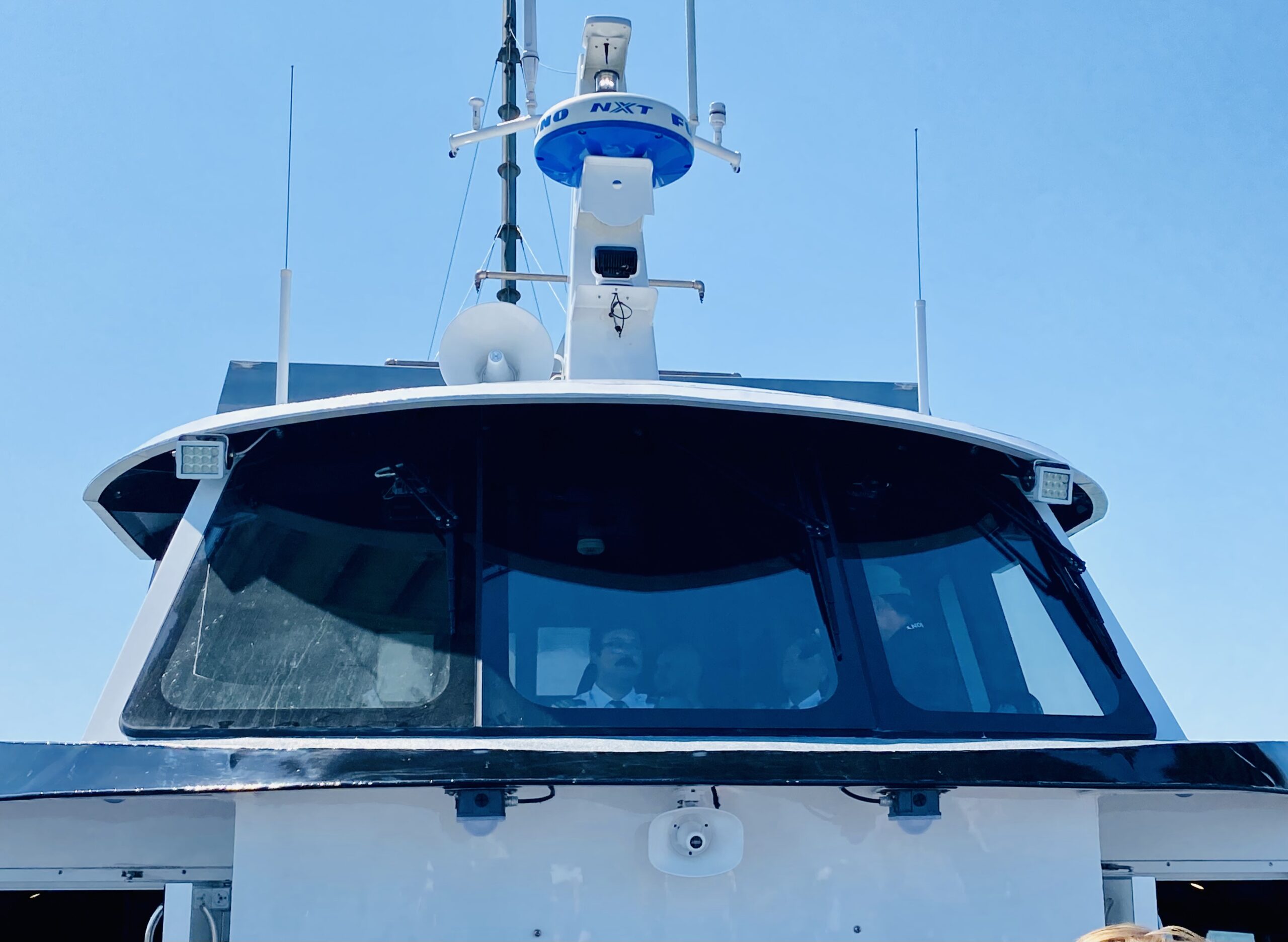
A 70-foot, 75-passenger catamaran ferry, Sea Change is smaller than the average ferry vessel servicing the Bay. It features an integrated hydrogen power system from Zero Emission Industries (ZEI). Its service speed is 8-12 knots and top seed is 15 knots.
The ferry is one facet of California Climate Investments, a statewide initiative that puts billions of cap-and-trade dollars to task, reducing greenhouse gas emissions, strengthening the economy and improving public health and the environment, particularly in disadvantaged communities.