By Mike Aldax
Chevron Richmond reported a 62 percent drop in notices of violation over the last half-year and a downward trend in flaring events during the latest Community Town Hall at CoBiz on Thursday, April 23.
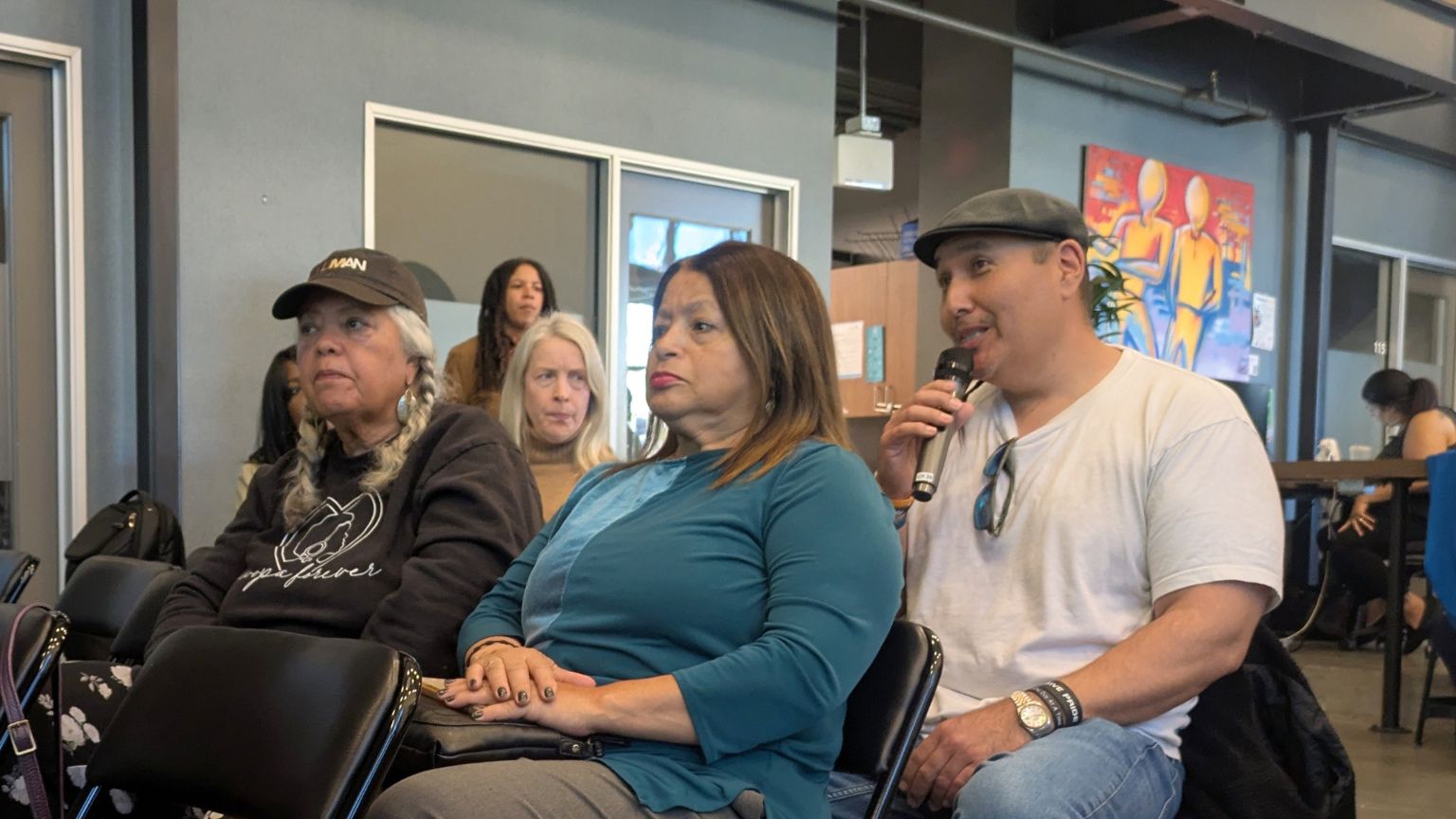
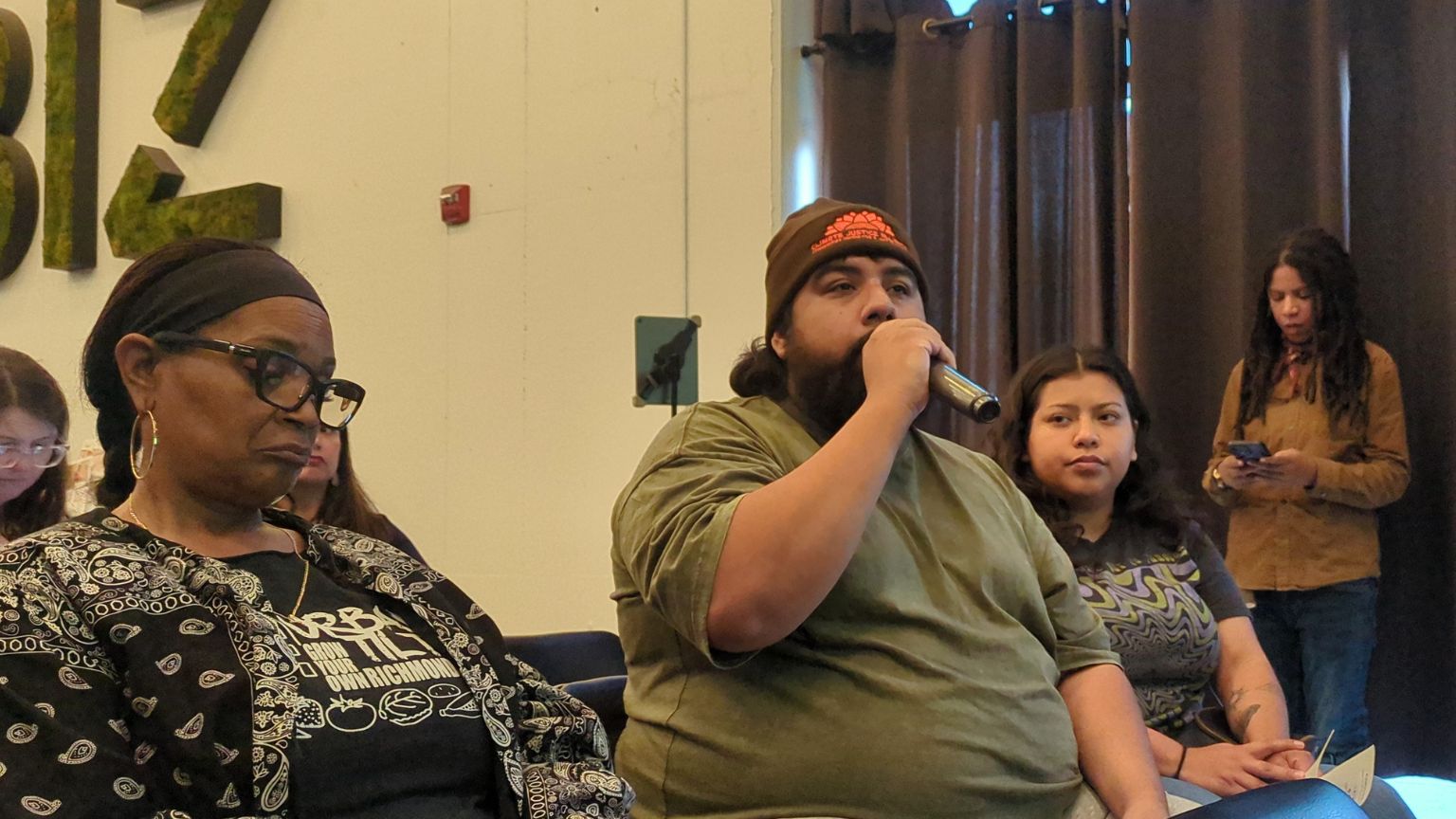
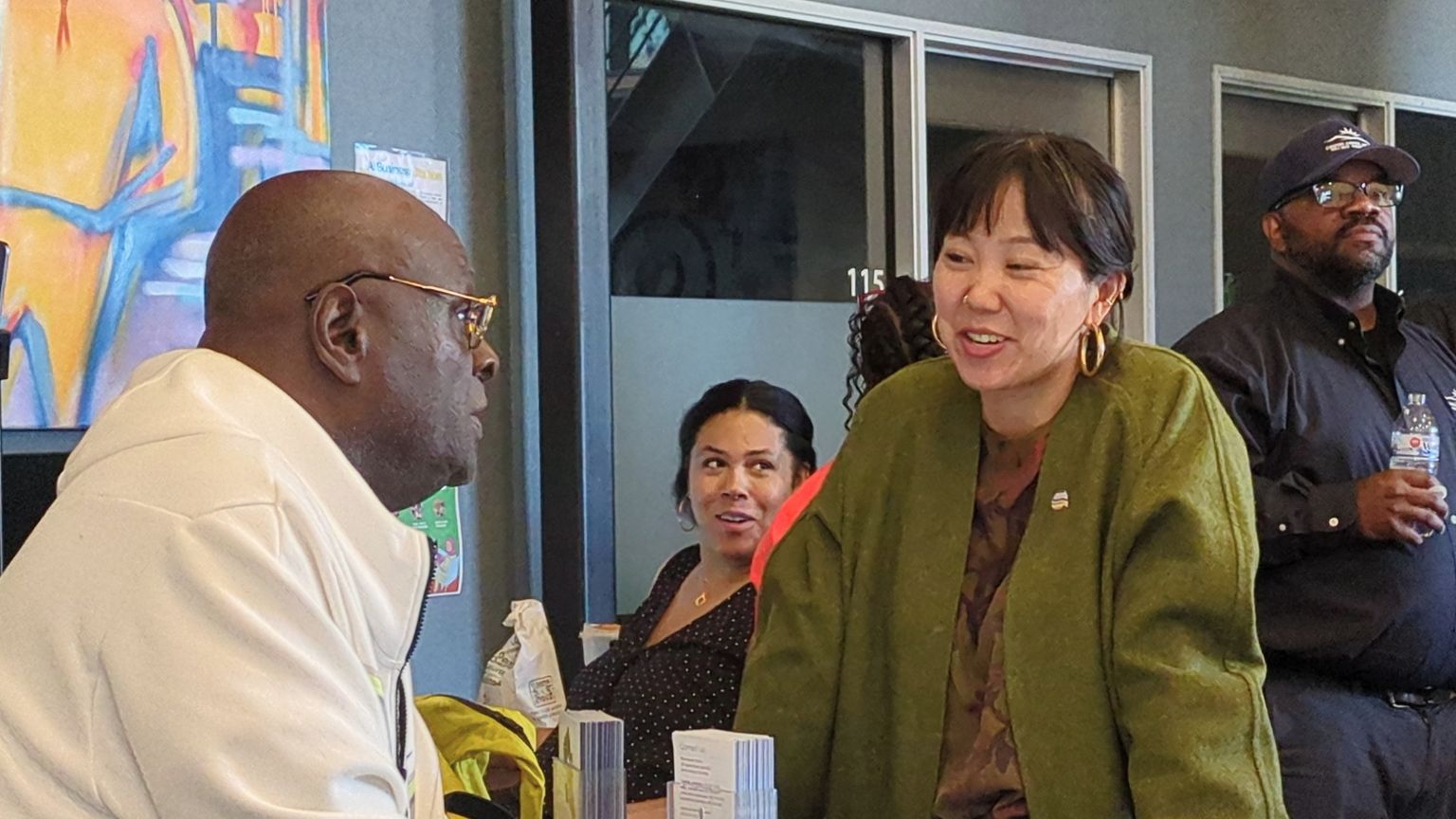
Held quarterly under the Community Action Plan (CAP), the town halls aim to increase transparency and address local concerns by providing residents with direct access to refinery data and leadership.
In addition to the latest emissions trends, the town hall featured presentations from Contra Costa Health, the Bay Area Air District, American Red Cross, and MCE, and also a chance for the public to ask Chevron Richmond leadership questions.
“The goal of these meetings is to ensure that technical information is accessible, community questions are tracked and responded to over time, and that we decrease confusion and misinformation by providing direct access to the people working at the facility,” said Dr. Kerby Lynch, director of research and facilitation at Ceres Policy Research, which has guided the CAP process since its inception.
Community grants and home upgrades
Chevron Richmond Community Engagement Manager Lily Rahnema highlighted the company’s support of local initiatives, including a $35 million investment in Richmond Promise, $90 million to the city’s Environmental and Community Investment Agreement, and $54 million since 2012 to local nonprofits. After hearing feedback from the Community Action Plan Steering Committee on the desire for more support of the general health and wellbeing of the community, Chevron started community resilience grants for partners like the Red Cross, which provides free smoke alarms, and MCE’s Home Energy Savings program, which offers up to $12,000 in home upgrades to improve in-door air quality to residents in North Richmond, the Iron Triangle, Parchester Village and other fenceline neighborhoods.

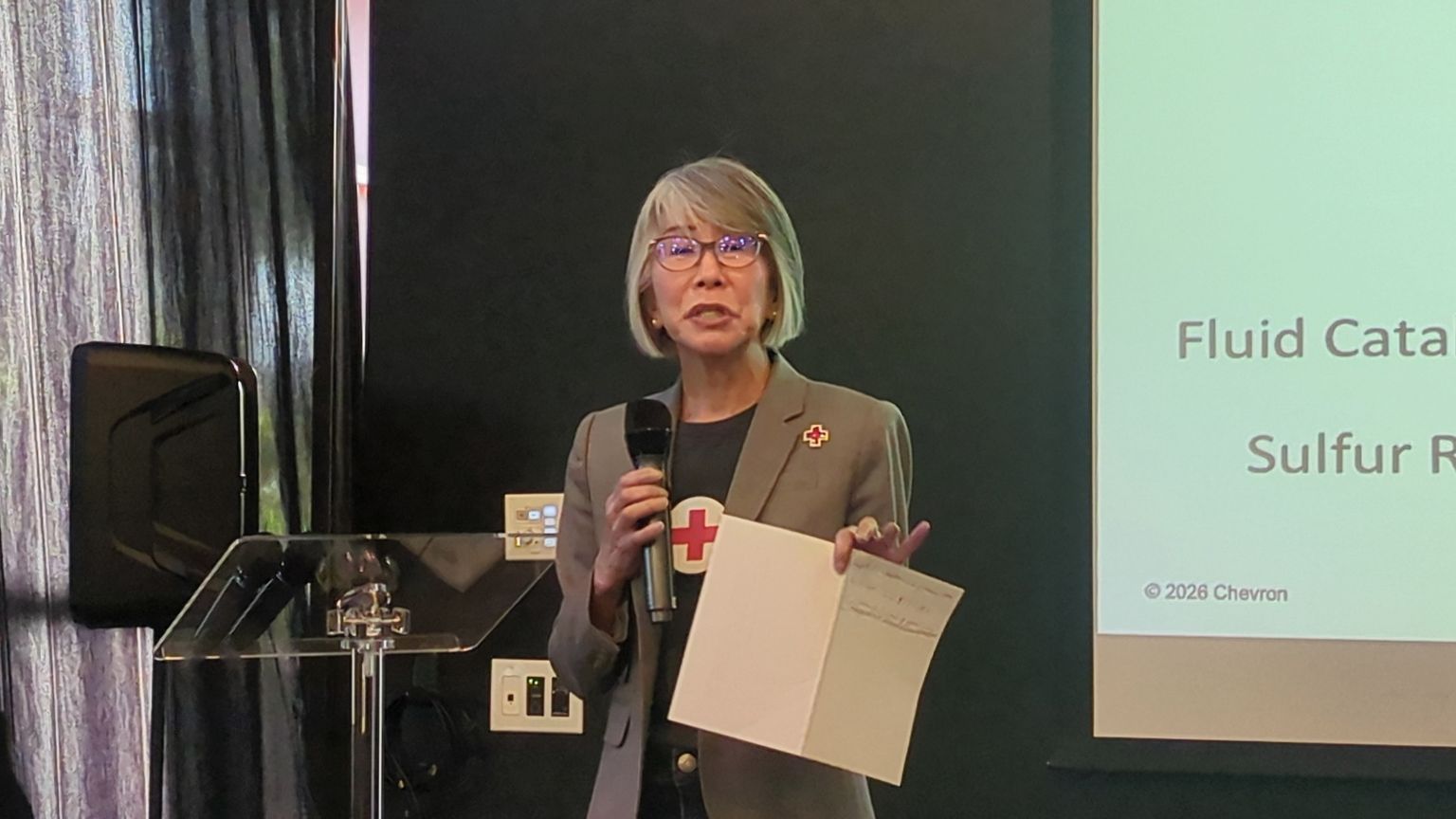
These programs and the town hall meetings are components of a broader effort by Chevron Richmond to expand community engagement and provide residents with information regarding refinery operations and local initiatives.
“We believe that transparency and being here to answer your questions is part of being a good neighbor,” Rahnema said.
Tracking safety and flaring trends
Luke Honnen, environmental air specialist at Chevron Richmond, reported on flaring activity, reminding the public that flares are essential safety tools that act like a “pressure relief valve” for the refinery during unexpected issues. They prevent gases from being released directly into the atmosphere by combusting them safely. Honnen compared flaring devices to safety devices on water heater tanks.
“Water heaters have a pressure relief valve — that’s a safety device. It allows pressure to be released safely,” Honnen said. “A flare is similar. If there is excess pressure in the refinery, which can happen for a variety of reasons, the pressure can be released safely through the flare.”
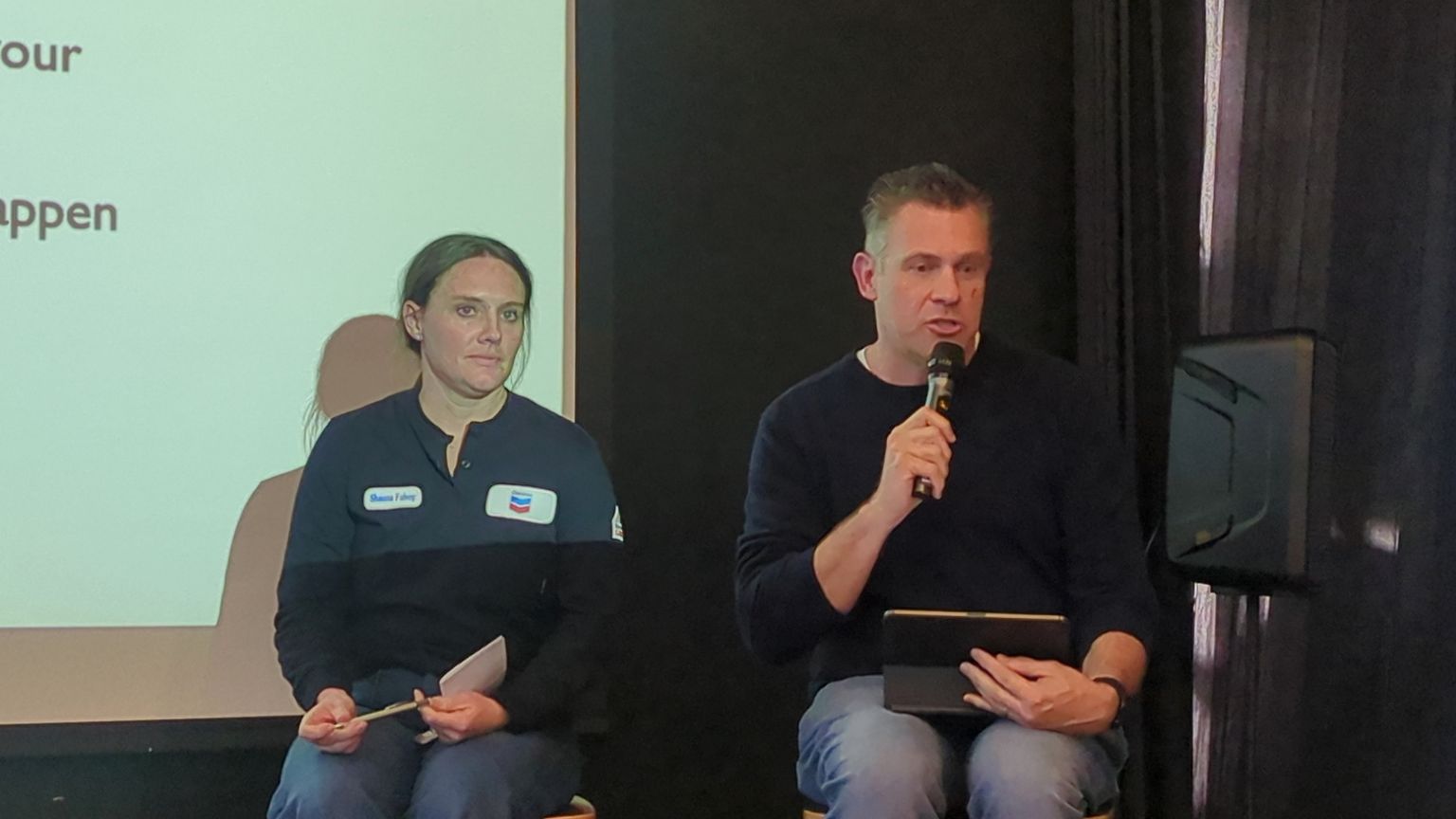
Between Oct. 1 and March 31, the refinery recorded five flaring events, a lower figure than previous periods dating back to 2024. Honnen noted that while data fluctuates, the overall trend is moving downward. He said that is partly the result of new processes and technologies such as Flare IQ, a digital tool powered by artificial intelligence that manages flaring in real time. Also, employees from operations, maintenance, engineering, and other departments are meeting regularly to identify new solutions that reduce flaring or mitigate their impacts.
“We have a flare management team that meets every week to look at all of our flaring activity and to look at ways that we can further reduce flaring,” Honnen said.
Improving environmental compliance
Shauna Falvey, the environmental execution team lead at Chevron Richmond, reported a 62 percent drop in notices of violation (NOV) issued by the Bay Area Air District, at 42 NOVs since October. In the same period, there was also a 9 percent reduction specifically in emission-related violations. Falvey, who manages a team of 11 specialists, stated her goal is to operate without any violations. She said her team monitors stacks continuously for carbon monoxide, nitrogen oxide, and sulfur oxides, noting that approximately 99.5 percent of all emission-related violations are self-reported by the refinery.
“We self-report every single exceedance that we have,” Falvey said.
Many of Chevron Richmond’s violations are actually administrative delays rather than new environmental incidents. For example, 17 of the 42 NOVs were from the sulfur recovery unit, where permit updates have been stuck in a backlog at the Bay Area Air District since 2019. Essentially, the refinery is waiting for the Air District to approve paperwork that aligns its permits with modern, practical operating standards. NOVs will continue to be issued until that paperwork is processed.
Despite bureaucratic hurdles, Falvey said she’s personally committed to continuous improvement, stating her goal is to run the facility “better than our predecessors did 50 years ago, better than they did 20 years ago, better than we did a week ago.”